

The Human Side of Privacy: What Drives Cookie Consent Decisions
January 23, 2026
•

3 min read
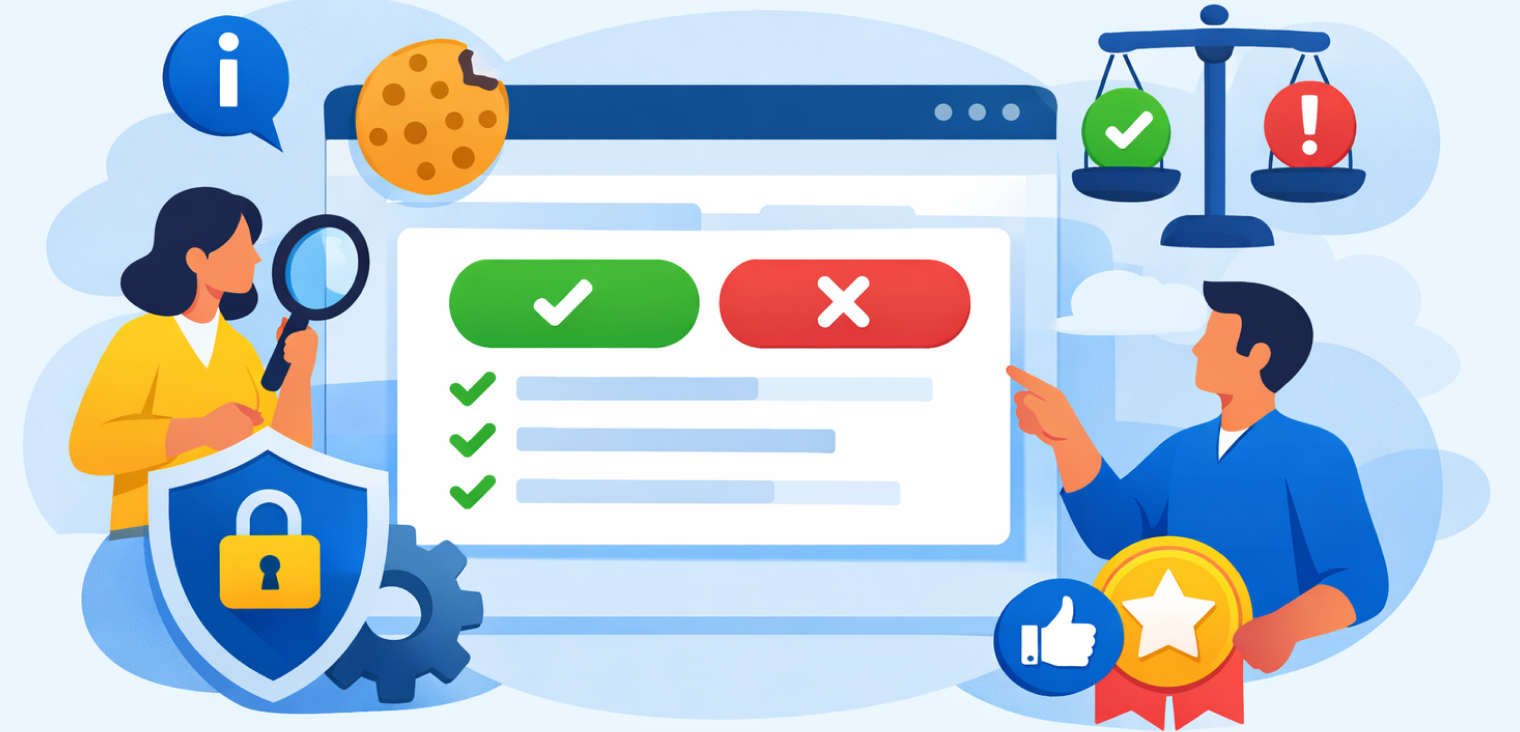
Table of contents
back
to the top
The Human Side of Privacy: What Really Drives Cookie Consent Decisions
When a cookie banner appears, users don’t pause to study legal language or scroll through every setting. Instead, they make a decision in seconds—often based on instinct rather than analysis. That split-second choice is shaped by psychology, trust signals, and past experiences with privacy online.
Understanding these human factors is essential for both compliance and user engagement. In this post, we explore why users choose to accept, reject, or ignore consent requests—and how ethical, user-centric design leads to better outcomes for everyone.
First Impressions Matter: What Users Instantly Look For
Before clicking anything, users subconsciously scan the banner for a few critical cues:
Trust signals A clean layout, professional typography, and a design that matches the brand’s overall website all signal legitimacy. Sloppy or intrusive banners immediately raise suspicion.
Control signals Users want to see real choices. Clear “Reject” buttons, visible toggles, and meaningful category options tell users they’re in control—not being forced into agreement.
Transparency signals Simple, plain-language explanations of what data is collected and why help users feel informed without being overwhelmed.
When any of these elements are missing, users may feel manipulated or rushed, increasing the likelihood of outright rejection or banner avoidance.
Why Users Choose to Say “Yes”
Users are far more willing to consent when they feel respected rather than coerced. Positive consent decisions often occur when:
-
The purpose of data collection is clearly explained in human language
-
The interface feels neutral, balanced, and trustworthy
-
Accept and reject options are equally visible
-
The brand already has a strong reputation
-
The design avoids dark patterns or misleading defaults
When users feel they’re making a fair, informed choice, consent becomes an act of cooperation rather than compliance.
Why Users Say “No” (or Close the Banner Entirely)
Refusal is rarely random. Common reasons include:
-
General skepticism about how personal data is used
-
Distrust of third-party vendors and advertisers
-
Overly technical or legalistic explanations
-
Hidden, disabled, or hard-to-find reject buttons
-
Negative past experiences with tracking or ads
-
Fear of being followed across the internet
The more friction or suspicion users experience, the more likely they are to withhold consent—even if the brand itself is reputable.
Cultural and Regional Differences in Consent Behavior
Privacy attitudes vary widely across regions, making global consent strategies especially challenging.
-
European users tend to be highly privacy-conscious and cautious, shaped by years of GDPR awareness
-
U.S. users often prioritize convenience and speed over granular control
-
APAC markets vary significantly, with some regions placing strong trust in established brands
-
Latin America shows rapidly growing awareness and concern around data privacy
These differences make it clear that a one-size-fits-all consent experience rarely works across borders.
Ethical UX Creates Better Long-Term Results
Designing for ethics doesn’t mean reducing consent rates. It means removing unnecessary pressure and building genuine trust.
Ethical consent design leads to:
-
Higher-quality, defensible consent
-
Stronger long-term user trust
-
More accurate and reliable data
-
Lower regulatory and compliance risk
When users feel respected, they’re more likely to engage willingly—and stay loyal to the brand.
Final Takeaway
Consent is more than a legal checkbox. It’s a psychological decision shaped by design, transparency, and trust. When users feel informed and in control, they make more confident—and often more positive—choices.
Respecting the human side of privacy isn’t just good compliance. It’s good business.
Explore further

Shopify Customer Events, Pixels and Cookie Consent
Shopify pixels still collect and send customer data, so they still need consent. Learn how app pixels, custom pixels and the Customer Privacy API should work with your CMP.
October 8, 2026
7 min
WordPress Cookie Consent: Which Plugins and Scripts Need Blocking?
A WordPress banner is not enough if plugins load trackers before consent. Learn which analytics, ad, chat and embed scripts need blocking and how to audit your full stack.
October 8, 2026
7 min

Klaviyo, Shopify and Consent: What E-Commerce Stores Need to Check
Shopify and Klaviyo can track and contact customers in ways they never agreed to. Learn how to align cookie, email and SMS consent across checkout, forms, flows and data sync.
October 1, 2026
7 min