

DIY CMPs: Why Building Your Own Consent Platform Rarely Works
December 04, 2025
•

3 min read

Table of contents
back
to the top
DIY CMPs: Why Building Your Own Consent Platform Rarely Works
Many developer-led teams love solving problems in-house. And on the surface, a Consent Management Platform (CMP) might seem like just another JavaScript challenge: “Why not build it ourselves?”
But under the General Data Protection Regulation (GDPR), the stakes are too high.
DIY CMPs often fail to meet legal, technical, and operational standards and the costs of getting it wrong can be steep.
In this post, we’ll cover:
-
Why in-house CMPs struggle with compliance and scalability
-
The hidden costs and risks of building your own
-
What professional CMPs offer that custom code can’t
-
A practical build vs. buy decision framework
What Is a DIY CMP?
A DIY CMP is a custom-built consent banner and script management solution, usually created by internal dev teams. These tools aim to:
-
Ask users for consent
-
Block or fire cookies/tags based on choices
-
Log and store consent preferences
Sounds simple until GDPR enters the picture.
Why Most In-House CMPs Fall Short
GDPR (and UK GDPR) require very specific standards for valid consent:
-
Granular opt-ins by purpose
-
Clear, informed, freely given choices
-
Easy opt-out and withdrawal mechanisms
-
Audit logs to prove consent decisions
-
Geo-targeted enforcement (EU vs non-EU users)
Many DIY banners are lightweight UI components but lack the legal logic to meet these requirements.
Here are the major failure points of developer-built CMPs:
-
Consent granularity: DIY CMPs often rely on a single acceptance option, but GDPR requires purpose-level choices.
-
Geo-targeting: Without proper region detection, consent rules may be applied too broadly or not at all.
-
Vendor-level control: Maintaining logic for hundreds of analytics and advertising tags is extremely difficult manually.
-
Consent logging: Without structured and secure consent logs, you have no defense in an audit or DPA investigation.
-
Preference updates: Users must be able to change consent at any time — a technical challenge most DIY solutions underestimate.
Hidden Costs of Building Your Own CMP
What looks like a simple build becomes a long-term maintenance burden.
Key cost areas include:
-
Developer time and opportunity cost: Building and maintaining a CMP takes devs away from core product work.
-
Legal risk: Any mistakes in compliance can result in GDPR fines or user complaints.
-
Constant regulatory changes: CMPs must align with new rules (DSK rulings, CNIL guidance, EDPB updates).
-
Browser ecosystem changes: Cookie behavior (ITP, ETP, Chrome changes) constantly evolves and requires ongoing updates.
-
Audit readiness: Without standardized audit logs, proving compliance becomes painful or impossible.
CMPs are not static tools - they require continuous updates, testing, and compliance reviews.
What a Professional CMP Offers
A purpose-built Consent Management Platform (like Cookiepal or other certified CMPs) provides:
-
Certified compliance: Meets GDPR, Google CMP Partner Program, and IAB TCF requirements.
-
Geo-based enforcement: Applies correct rules for EU, UK, Brazil, and other regions.
-
Vendor-level script control: Blocks or enables specific tags based on user selections.
-
Consent record-keeping: Maintains proper logs for audits or investigations.
-
Brand-safe design customization: Matches your website’s style and UX.
-
Regulatory and browser updates: Always aligned with the latest compliance expectations.
CMPs are purpose-built for consent not patched together.
Build vs. Buy: A Quick Checklist
Use this as a decision guide:
-
If you're processing user data in the EU → Buy
-
If you need vendor-level control over scripts → Buy
-
If you operate globally and need region-based rules → Buy
-
If you have a legal team monitoring data privacy full-time → Build
-
If your developers can maintain constant updates → Build
Even large tech companies have turned to trusted CMPs not because they can’t build, but because it’s not worth the risk.
Final Takeaway
If you’re thinking of building your own CMP, remember:
You can build a banner. But that doesn’t mean you’ve built compliance.
Consent management is now a legal discipline, not just a dev task. Choosing a certified, scalable CMP saves time, reduces liability, and keeps your users (and regulators) happy.
In GDPR, half-measures aren’t enough and shortcuts can be expensive.
Sources
-
EDPB Guidelines 05/2020 on Consent
https://edpb.europa.eu/our-work-tools/our-documents/guidelines/guidelines-052020-consent-under-regulation-2016679_en -
IAB Europe TCF Requirements - https://iabeurope.eu/tcf/
-
Google CMP Partner Program
https://support.google.com/admanager/answer/11956195
Explore further

Do A/B Testing Tools Require Cookie Consent?
A/B tests can store IDs, share events and feed ad audiences. Learn when experiments need consent, when a narrow exemption may apply and how to run tests without ignoring privacy.
October 22, 2026
9 min
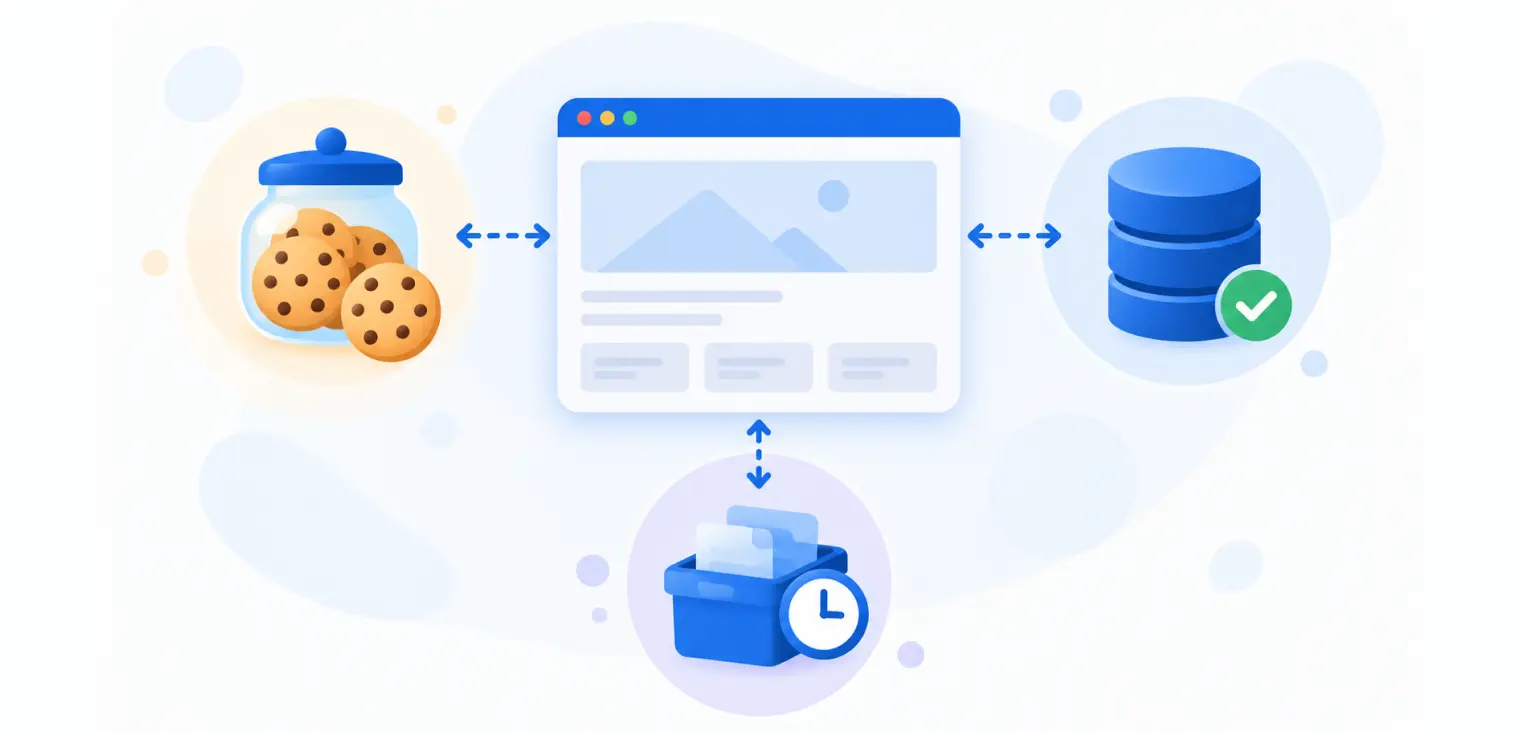
Cookies, Local Storage and Session Storage: What Is the Difference?
Cookies, local storage and session storage behave differently, but none is exempt from consent. Learn how each one works, which to use and how to review them in your consent process.
October 22, 2026
9 min
Does reCAPTCHA Require Cookie Consent?
reCAPTCHA can be exempt as necessary security, but not every setup is. Learn how to assess your reCAPTCHA version, audit its cookies and keep forms working when visitors say no.
October 15, 2026
7 min