

How GDPR Applies to Contact Forms, Popups, and Lead Magnets
February 25, 2026
•

2 min read

Table of contents
back
to the top
How GDPR Applies to Contact Forms, Popups, and Lead Magnets
Cookies aren’t the only things covered by GDPR.
Contact forms, popups, and lead magnets also collect personal data — which means they must follow GDPR rules, even if no cookies are used.
Here’s how to keep these everyday website elements compliant.
1. Contact Forms Collect Personal Data by Default
Forms that ask for:
-
Name
-
Email
-
Phone number
-
Company
-
Location
are collecting personal data under GDPR. This requires a lawful basis and full transparency about how the data will be used.
If the data is used for marketing, explicit consent is required.
2. Popups Must State Their Purpose Clearly
Popups offering:
-
Newsletter sign-ups
-
Discounts
-
Updates
-
Free downloads
must explain exactly why the data is being collected.
✔ Clear example:
“Sign up to receive our weekly newsletter.”
✘ Not clear:
“Sign up now!”
3. Lead Magnets Require Transparent Follow-Up
If users provide their email to download:
-
Ebooks
-
Checklists
-
Templates
-
Guides
you must state whether they will also receive marketing emails.
GDPR prohibits automatic or hidden enrollment into newsletters.
4. Marketing Consent Must Be Separate
For marketing emails, you must use:
-
A standalone checkbox
-
No pre-ticked boxes
-
Clear explanation of use (“I agree to receive marketing emails…”)
Form submission alone is not consent.
5. Cookiepal Helps Align All User Interactions
Cookiepal supports GDPR-compliant data collection by:
-
Logging consent for forms and marketing
-
Storing versioning information
-
Providing easy opt-out tools
-
Maintaining transparency across every user touchpoint
This ensures consistency across contact forms, popups, and lead magnets.
Final Takeaway
Under GDPR, any feature that collects personal information — from forms to lead magnets — must be transparent, specific, and driven by proper consent. With the right setup and a CMP like Cookiepal, you can grow your audience while staying fully compliant.
Sources & References
Explore further
Do A/B Testing Tools Require Cookie Consent?
A/B tests can store IDs, share events and feed ad audiences. Learn when experiments need consent, when a narrow exemption may apply and how to run tests without ignoring privacy.
October 22, 2026
9 min
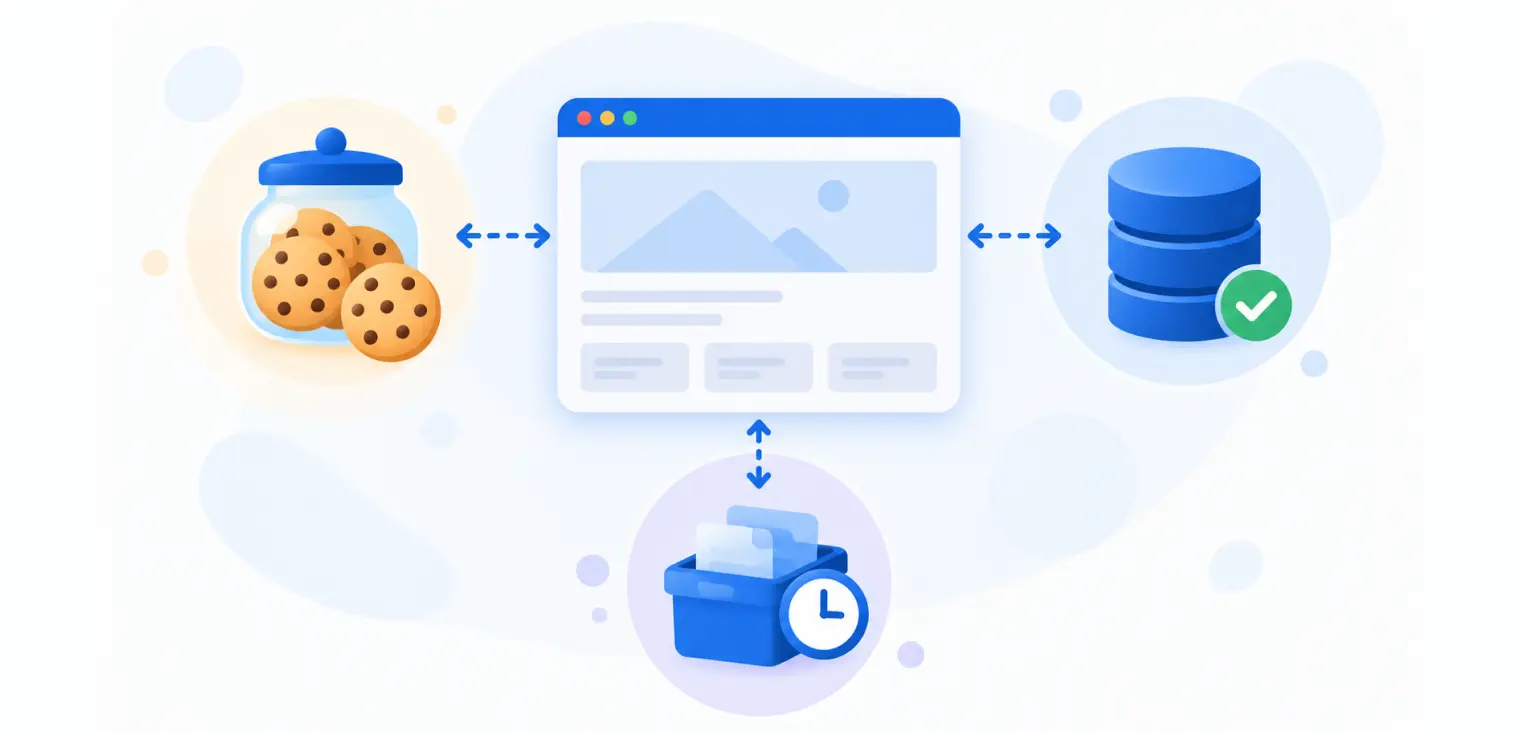
Cookies, Local Storage and Session Storage: What Is the Difference?
Cookies, local storage and session storage behave differently, but none is exempt from consent. Learn how each one works, which to use and how to review them in your consent process.
October 22, 2026
9 min
Does reCAPTCHA Require Cookie Consent?
reCAPTCHA can be exempt as necessary security, but not every setup is. Learn how to assess your reCAPTCHA version, audit its cookies and keep forms working when visitors say no.
October 15, 2026
7 min