

CMP Myths Busted, Part 4: “Once Set Up, Your CMP Takes Care of Everything”
January 07, 2026
•

3 min read
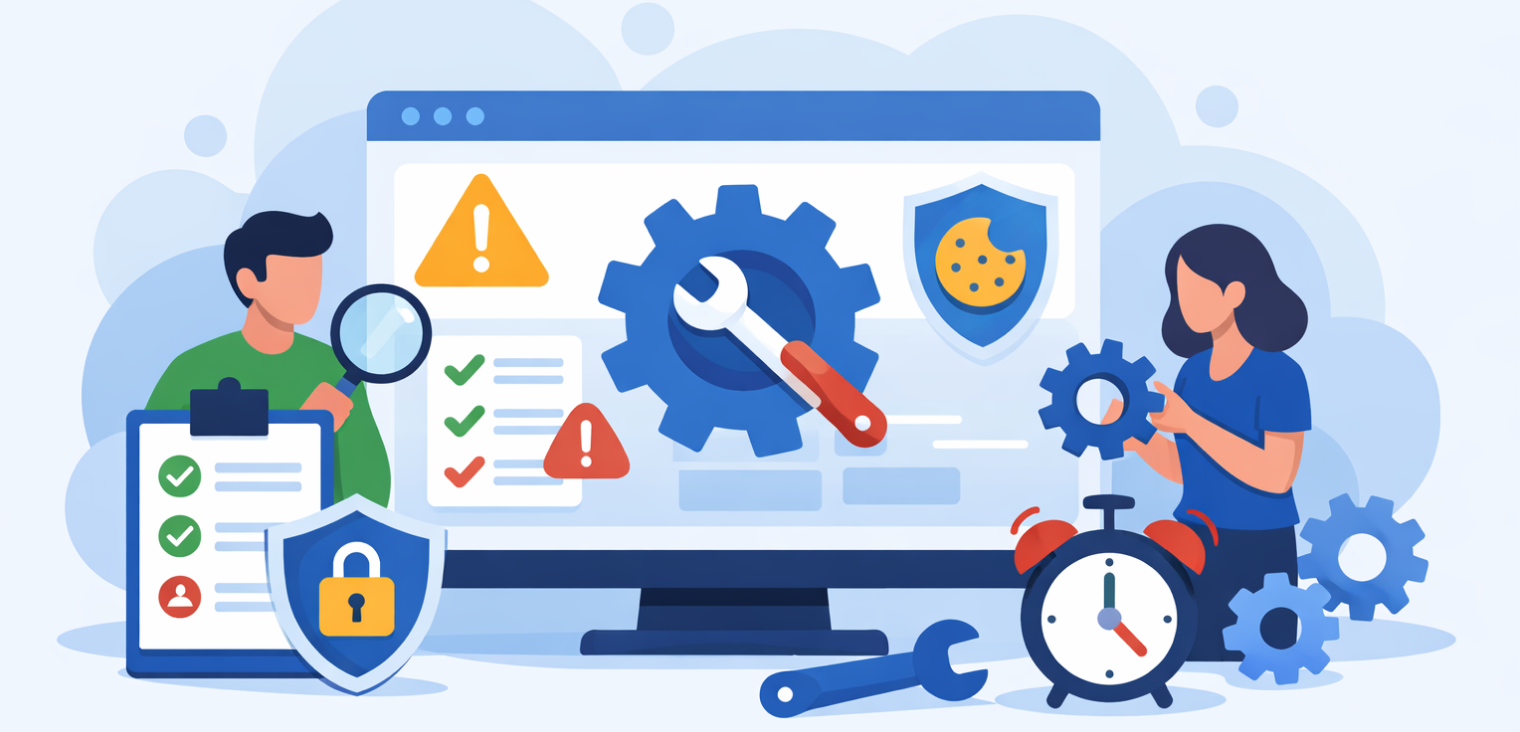
Table of contents
back
to the top
CMP Myths Busted, Part 4: “Once Set Up, Your CMP Takes Care of Everything”
So you’ve installed a CMP, configured your cookie categories, and hit publish. Done, right?
Not quite.
One of the most dangerous assumptions in consent management is that a CMP is a “set it and forget it” solution. In reality, compliance is an ongoing process, not a one-time task.
This blog unpacks why your Consent Management Platform (CMP) needs regular review, updates, and monitoring and what could go wrong if you don’t.
The Myth: “I Installed a CMP, So I'm Compliant Forever”
It’s easy to believe this when:
-
The CMP runs silently in the background
-
You’re not actively seeing user complaints
-
Your dev team has other priorities
-
Consent logs are collecting automatically
But consent rules evolve, cookie behaviors change, and websites are constantly updated meaning your CMP configuration can fall out of sync without you realizing it.
The Reality: CMPs Need Ongoing Oversight
Your Consent Management Platform isn’t a “set it and forget it” tool. Several areas change over time, and each one requires upkeep to stay compliant and optimized.
-
Tagging & scripts: New third-party tools—like a TikTok pixel or new analytics tags—may be added to your site.
You should regularly audit all tags and make sure each one is assigned to the correct consent category. -
Design & UX: As your website evolves, new page templates or layout changes can cause the banner to break or display poorly.
Regularly check your consent banner on desktop, mobile, and different screen sizes to ensure responsiveness. -
Legal updates: Data protection authorities (such as CNIL or the ICO) often update their guidelines.
You should review your banner’s wording and behavior to make sure it aligns with the latest regulatory expectations. -
Localization: If your business expands into new EU markets, your CMP must support those regions.
Add appropriate language translations and region-specific consent rules. -
Analytics: Consent performance varies—different traffic sources, pages, and campaigns may influence opt-in rates.
Monitor your consent analytics to identify where improvements can be made to banner layout, timing, or messaging. -
User rights: Users may request to withdraw or change their consent choices at any time.
Ensure that your preference center is always accessible and functioning properly.
Even the best CMP won't enforce compliance if you’re not maintaining it.
What Can Go Wrong If You Don’t Update Your CMP?
-
Non-compliant cookies firing before consent
-
Mismatch between declared and actual tracking behavior
-
Expired or missing consent logs
-
Broken or inaccessible banners on mobile
-
New trackers going uncategorized
-
Legal penalties or investigations
Most fines for cookie violations don’t happen because a CMP was missing, they happen because it wasn’t configured correctly.
How to Keep Your CMP Effective (Post-Setup)
Monthly or Quarterly Audits
-
Scan for new cookies, trackers, or scripts
-
Review consent logs for gaps or anomalies
-
Test UX across browsers, languages, and screen sizes
Revisit Consent Language
-
Align with latest DPA guidance (e.g., CNIL, EDPB)
-
Use plain language for clarity and trust
-
Add multilingual support as you expand
Track Performance
-
Monitor opt-in vs opt-out rates
-
Adjust banner design based on data
-
A/B test copy and placement where allowed
Update Tag Behavior
-
Connect your CMP to Google Tag Manager or similar tools
-
Ensure tags wait for valid consent before firing
-
Retest after each major website or campaign update
Final Takeaway
Installing a CMP is a critical first step but it’s not the finish line.
A Consent Management Platform is like a legal safety net, but it only works if it's tightly woven and routinely checked. Your privacy obligations evolve. So should your CMP.
With the right maintenance rhythm, your CMP becomes a living part of your data governance, not a forgotten plugin.
Sources
Explore further

Shopify Customer Events, Pixels and Cookie Consent
Shopify pixels still collect and send customer data, so they still need consent. Learn how app pixels, custom pixels and the Customer Privacy API should work with your CMP.
October 8, 2026
7 min
WordPress Cookie Consent: Which Plugins and Scripts Need Blocking?
A WordPress banner is not enough if plugins load trackers before consent. Learn which analytics, ad, chat and embed scripts need blocking and how to audit your full stack.
October 8, 2026
7 min

Klaviyo, Shopify and Consent: What E-Commerce Stores Need to Check
Shopify and Klaviyo can track and contact customers in ways they never agreed to. Learn how to align cookie, email and SMS consent across checkout, forms, flows and data sync.
October 1, 2026
7 min