

GDPR
Why GDPR Still Matters If You Don’t Sell Anything
GDPR applies beyond online sales. Learn why blogs, portfolios, and free websites still have data protection obligations.
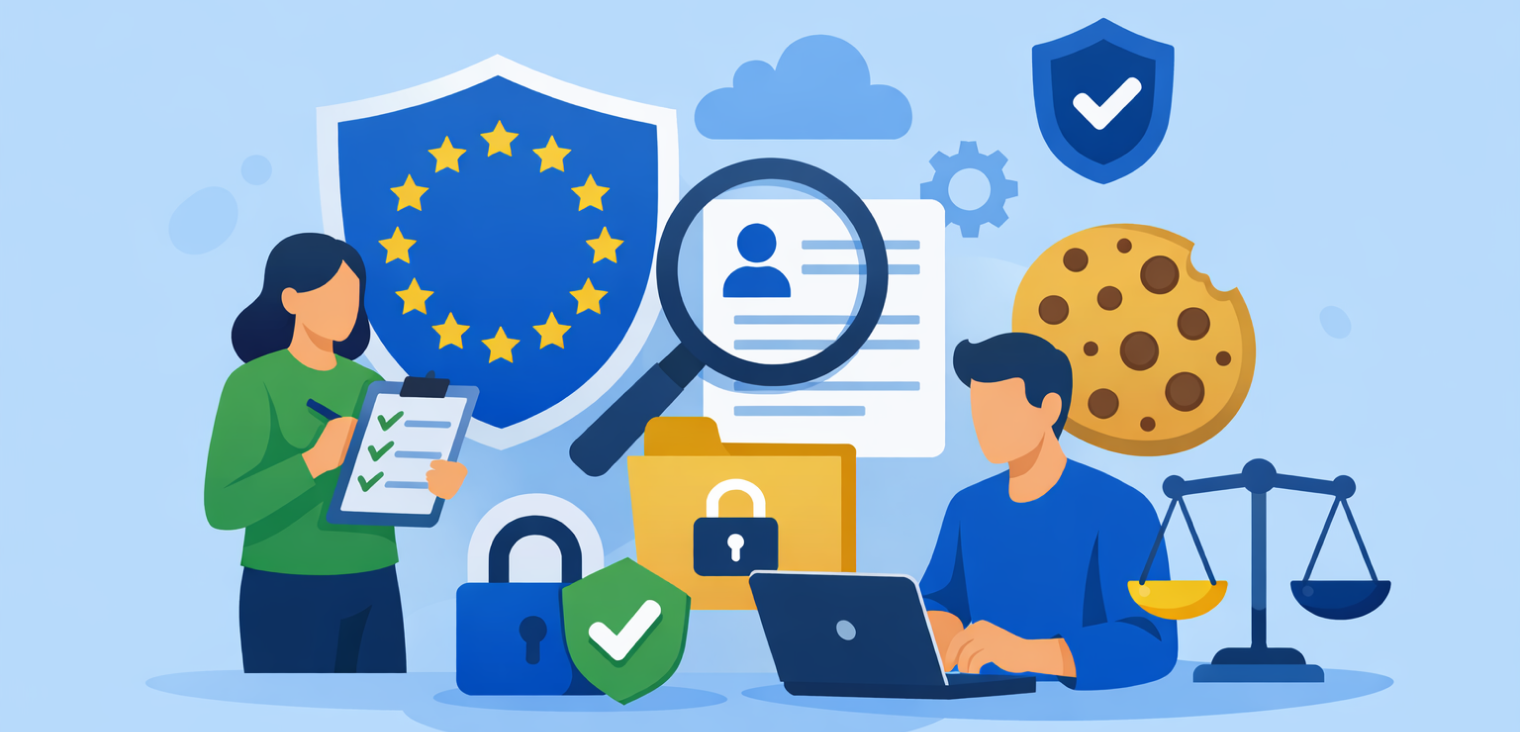
Why GDPR Still Matters Even If You Don’t Sell Anything
Many website owners assume GDPR only applies to online stores or businesses that sell products.
In reality, GDPR applies to any website that processes personal data - even if no money changes hands.
Here’s why GDPR still matters, even for informational or non-commercial websites.
1. GDPR Is About Personal Data, Not Payments
GDPR applies whenever a website collects or processes:
-
IP addresses
-
Analytics data
-
Contact form submissions
-
Email sign-ups
-
Device or browser information
Selling something is not a requirement for GDPR to apply.
2. Free Websites Still Collect Personal Data
Even simple websites often use:
-
Analytics tools
-
Embedded videos or maps
-
Social media plugins
-
Contact or feedback forms
All of these can process personal data under GDPR.
3. “Informational Only” Does Not Mean Exempt
Common examples that still fall under GDPR:
-
Blogs
-
Portfolio websites
-
Non-profit sites
-
Educational resources
-
Company “about us” pages
If visitors come from the EU and personal data is processed, GDPR applies.
4. Transparency Is Always Required
Even when no consent is required, GDPR still expects:
-
Clear privacy information
-
Explanation of data use
-
Honest disclosure of tools and providers
Silence or vague statements are not compliant.
Final Takeaway
GDPR isn’t about selling, it’s about respecting people’s data.
Even free or informational websites must be transparent and accountable. Cookiepal helps ensure compliance without adding unnecessary complexity.
Sources & References
- GDPR Article 3 – Territorial scope
- GDPR Article 4(1) – Personal data definition
- GDPR Article 5 – Data protection principles
- EDPB Guidelines on Territorial Scope
- ICO Guidance: Does GDPR Apply to My Website?
Was this helpful?Thanks for letting us know.