

The Future of Cookie Consent: What Website Owners Should Expect Beyond 2026
August 27, 2026
•

10 min read
Table of contents
back
to the top
The Future of Cookie Consent: What Website Owners Should Expect Beyond 2026
Cookie consent is not going away. But the way websites handle it is changing.
For years, cookie consent has been treated as a banner problem. Add a pop-up, ask visitors to accept cookies, link to a policy, and move on. That approach is becoming too simple for the way websites now collect data.
Beyond 2026, website owners should expect cookie consent to become more technical, more connected to advertising systems, more closely linked to browser behaviour, and more focused on user trust. The banner will still matter, but it will only be one part of a wider consent management process.
The future of cookie consent will not be about asking users the same question in the same annoying way. It will be about proving that tracking is understood, categorised, controlled, documented, and updated as websites change.
This guide explains what website owners should expect beyond 2026 and how to prepare without making privacy compliance harder than it needs to be.
Cookie Consent Will Become Less About the Pop-Up
The cookie banner is the part users see. But regulators, platforms, and advertisers are increasingly interested in what happens behind the banner.
Does the website know which cookies and trackers are active? Are non-essential cookies blocked or adjusted until the right consent is given? Are consent records stored? Are Google tags receiving the correct signals? Does the cookie policy match the real tracking setup? Can users change their choice later?
These questions matter more than the visual design of the banner.
A future-ready consent setup needs a system behind it. CookiePal's cookie consent management platform brings together cookie scanning, banner management, auto-blocking, consent records, recurring scans, and Google Consent Mode support. That is the direction cookie consent is moving: from a static banner to an operational privacy layer.
Website owners should stop thinking, "Do we have a cookie pop-up?" and start asking, "Do we actually manage consent correctly across the site?"
More Tracking Will Happen Without Traditional Cookies
The word "cookie" is still useful, but it no longer covers everything website owners need to think about.
Modern tracking can involve pixels, tags, local storage, session storage, software development kits, device identifiers, embedded content, server-side tracking, fingerprinting signals, analytics events, and advertising integrations. Some of these technologies behave like cookies. Some do not. But they can still store or access information, measure behaviour, or connect activity across services.
Beyond 2026, consent will need to cover cookies and similar technologies more clearly. A cookie policy that only lists browser cookies may not reflect the real tracking environment.
This is especially important for websites using advertising pixels, heatmaps, embedded videos, chat widgets, CRM forms, booking tools, product analytics, or social media integrations.
A CookiePal compliance scanner can help identify cookies and trackers active on a website. This gives teams a better starting point than guessing which scripts are present or relying on an old cookie list.
Browser Changes Will Keep Reshaping Consent
Browsers are no longer passive containers for websites. They increasingly shape how tracking works.
Some browsers already limit third-party cookies more aggressively. Others give users stronger privacy controls, block known trackers, reduce fingerprinting signals, or restrict cross-site tracking. Advertising platforms are also adapting their measurement tools as browsers and privacy expectations change.
This means website owners should expect consent management to become more closely connected to measurement strategy. It will not be enough to install a banner and leave analytics unchanged for years.
Teams will need to understand how browser restrictions, consent choices, analytics tools, and ad platforms interact. A campaign may perform differently depending on whether a user accepts analytics cookies, rejects marketing cookies, uses a privacy-focused browser, or moves between mobile and desktop.
The practical lesson is simple: consent management and marketing measurement can no longer sit in separate boxes. They need to be tested together.
Google Consent Mode Will Become More Important
Google Consent Mode has already become a central part of privacy-aware advertising measurement. Beyond 2026, website owners should expect tools like Consent Mode to become even more important as platforms rely on consent signals to adjust how tags behave.
Google Consent Mode v2 helps supported Google tags respond to a visitor's consent choices. For websites using Google Ads, GA4, or Google Tag Manager, this connection can affect how analytics and advertising data are collected, modelled, and used.
The risk is that many websites will treat Consent Mode as a quick technical switch. It is not.
Consent Mode depends on the quality of the consent setup around it. If the cookie banner is unclear, the categories are wrong, tags fire too early, or consent signals are misconfigured, the advertising data may become unreliable.
Beyond 2026, website owners should expect more attention on whether consent signals are implemented properly, not just whether a banner appears on the page.
Cookie Banners Will Need Better UX
Cookie fatigue is real. Users are tired of confusing banners, manipulative button layouts, repeated pop-ups, and long preference centres that are hard to understand.
The future of cookie consent will favour clearer, less annoying experiences.
That does not mean hiding choices. It means designing consent in a way people can actually use. A good banner should explain the choice plainly, provide fair options, work on mobile, fit the website design, and make preferences easy to reopen later.
Website owners should expect poor consent UX to become a bigger trust problem. A banner that feels deceptive can damage the brand even before a visitor reads the website.
CookiePal's banner customisation tools help teams adjust banner layout, colours, logo, placement, and language so the consent experience feels like part of the website rather than a generic interruption.
The future is not "no banner". It is a better banner connected to a better consent system.
Consent Records Will Matter More
Cookie consent is not only about collecting a choice. It is also about being able to show what happened.
As privacy expectations mature, website owners should expect stronger demand for consent records. This includes when consent was given, what choice was made, which version of the banner or policy was shown, and whether users later changed their preferences.
This matters for audits, complaints, internal reviews, agency accountability, and platform troubleshooting.
A small website may not think about consent records until there is a problem. A growing business should treat them as part of normal website governance. If marketing, product, and development teams regularly add new tools, consent records and recurring scans become even more important.
CookiePal supports detailed consent records as part of its consent management functionality, helping teams move beyond a simple "accept cookies" moment.
Cookie Policies Will Need to Stay Updated
A cookie policy that was accurate last year may be wrong today.
Websites change constantly. A marketer adds a new retargeting pixel. A developer installs a performance tool. A sales team adds a chat widget. A product team adds analytics. An agency creates campaign landing pages. A payment provider changes how it loads scripts.
Every change can affect the cookie policy.
Beyond 2026, static cookie policies will become less useful. Website owners should expect to update cookie policies more regularly and link them to actual scanning results.
CookiePal's cookie policy generator can help create a structured cookie policy, but the content still needs to reflect the real website. The strongest approach is to combine a policy generator with scanning and regular review.
The same applies to broader privacy notices. If your website collects personal information through forms, accounts, bookings, downloads, ecommerce, or marketing automation, a privacy policy generator can help create a clearer privacy policy to support the cookie consent experience.
First-Party Data Will Become More Valuable
As third-party tracking becomes harder, first-party data will matter more.
Website owners will rely more on data collected directly from their own visitors, customers, subscribers, members, and leads. This includes newsletter sign-ups, account activity, purchase history, preferences, content engagement, and CRM data.
But first-party data is not a free pass. It still needs to be collected transparently and used responsibly. If a user gives an email address for a guide, that does not automatically mean they agreed to every kind of marketing, profiling, or tracking.
Beyond 2026, marketers should expect a stronger link between consent, customer data, and lifecycle marketing. Cookie consent, privacy notices, form wording, preference centres, and marketing opt-ins need to work together.
The businesses that perform best will not be the ones that collect the most data quietly. They will be the ones that earn trust and make data choices clear.
AI Will Add New Consent Questions
AI tools are becoming part of websites, marketing, analytics, support, search, personalisation, and content recommendations.
That creates new privacy questions. Is a chatbot collecting personal information? Are conversations stored? Are user interactions analysed to improve the service? Are recommendations based on browsing behaviour? Are AI tools connected to third-party providers?
Not every AI feature needs cookie consent. But many AI-powered website features may involve tracking, profiling, storage, or third-party processing. Website owners should not assume that "AI" sits outside cookie and privacy rules.
Beyond 2026, cookie consent will need to sit alongside wider privacy transparency for AI-powered tools. If a website uses AI chat, behavioural recommendations, smart forms, personalisation, or automated profiling, the privacy notice and consent setup should be reviewed carefully.
Global Compliance Will Become Harder to Ignore
Website owners often think locally. Their traffic does not.
A UK business may attract EU visitors. A US SaaS company may have customers in Brazil. An ecommerce store may run ads across multiple regions. A blog may rank globally. A landing page may receive traffic from anywhere.
Different jurisdictions may treat consent, opt-out rights, cookie notices, advertising identifiers, and personal data differently. Beyond 2026, website owners should expect privacy compliance to become more global by default.
CookiePal provides resources and consent support for frameworks such as GDPR, CCPA, and LGPD. The practical goal is not to make every website owner a privacy lawyer. It is to make sure the consent setup can adapt as the audience and legal requirements change.
What Website Owners Should Do Now
The future of cookie consent will reward businesses that build simple, repeatable processes.
Start with visibility. Run a scan and identify what cookies, trackers, scripts, pixels, and embedded tools are active on your website.
Then review your categories. Separate necessary cookies from analytics, preference, marketing, and other optional technologies. Make sure descriptions are written in plain language.
Next, test the technical setup. Check what loads before consent, after consent is accepted, after non-essential cookies are rejected, and after preferences are changed.
Review Google Consent Mode if you use Google Ads, GA4, or Google Tag Manager. Make sure consent signals are actually being sent correctly.
Update your cookie policy and privacy policy. Do not let old wording describe a website that no longer exists.
Finally, make consent part of your website operations. Re-scan after adding new tools, launching landing pages, changing analytics, or updating advertising tags.
Cookie Consent Beyond 2026 Will Be More Operational
Cookie consent is moving from a one-time compliance task to an ongoing website management process.
The banner will still matter. But the real work will be in scanning, categorising, blocking, recording, updating, testing, and integrating consent with the tools that run the website.
Website owners should expect more complexity, but they do not need to manage it manually. A modern consent management platform can make the process more practical.
Start with a free CookiePal compliance scan to see what your website is currently using. Then build a consent setup that can evolve with browsers, advertising platforms, privacy expectations, and your own website changes.
The future of cookie consent is not just about asking for permission. It is about proving that permission is respected.
This article provides general information and is not legal advice. Privacy obligations depend on your website, data practices, audience, and applicable laws.
Explore further

Do A/B Testing Tools Require Cookie Consent?
A/B tests can store IDs, share events and feed ad audiences. Learn when experiments need consent, when a narrow exemption may apply and how to run tests without ignoring privacy.
October 22, 2026
9 min
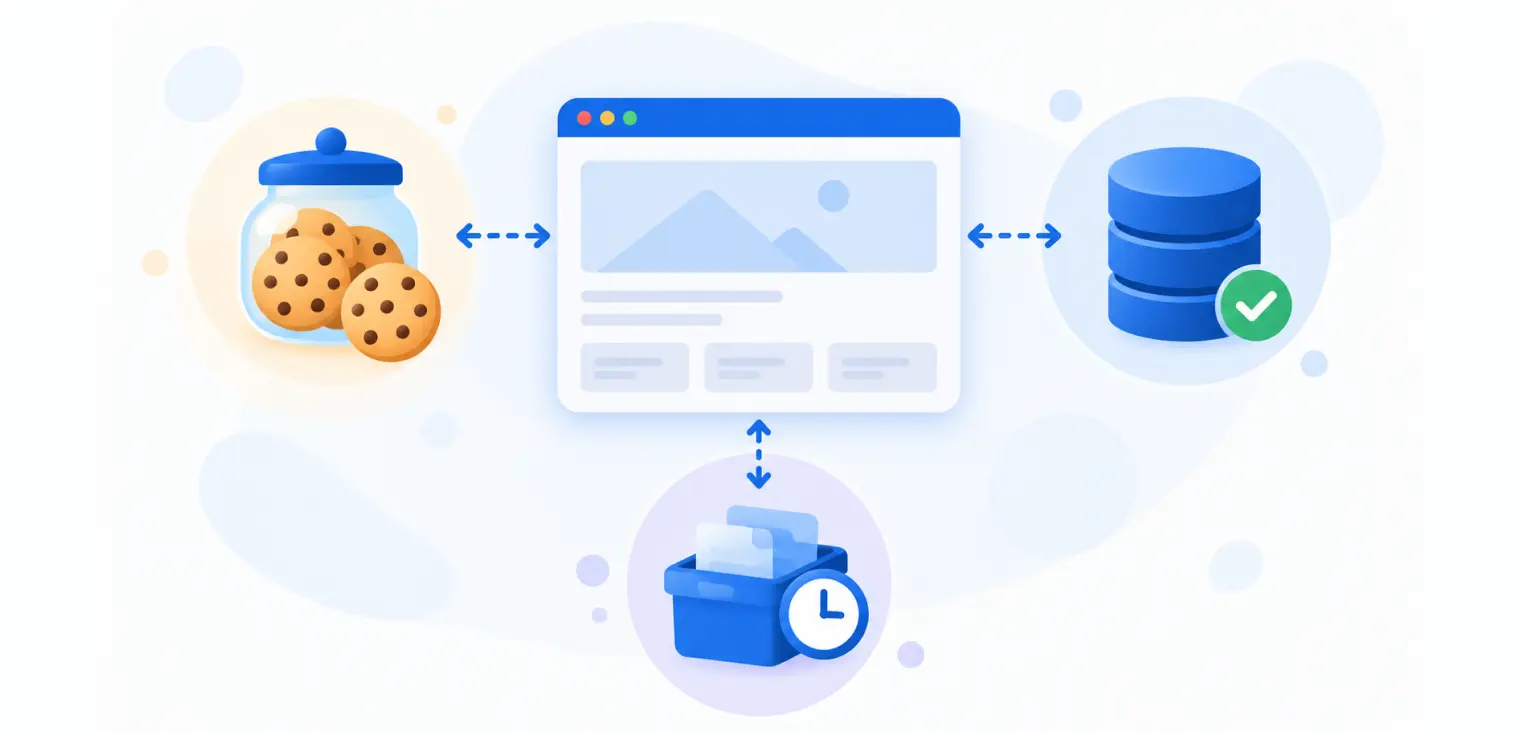
Cookies, Local Storage and Session Storage: What Is the Difference?
Cookies, local storage and session storage behave differently, but none is exempt from consent. Learn how each one works, which to use and how to review them in your consent process.
October 22, 2026
9 min
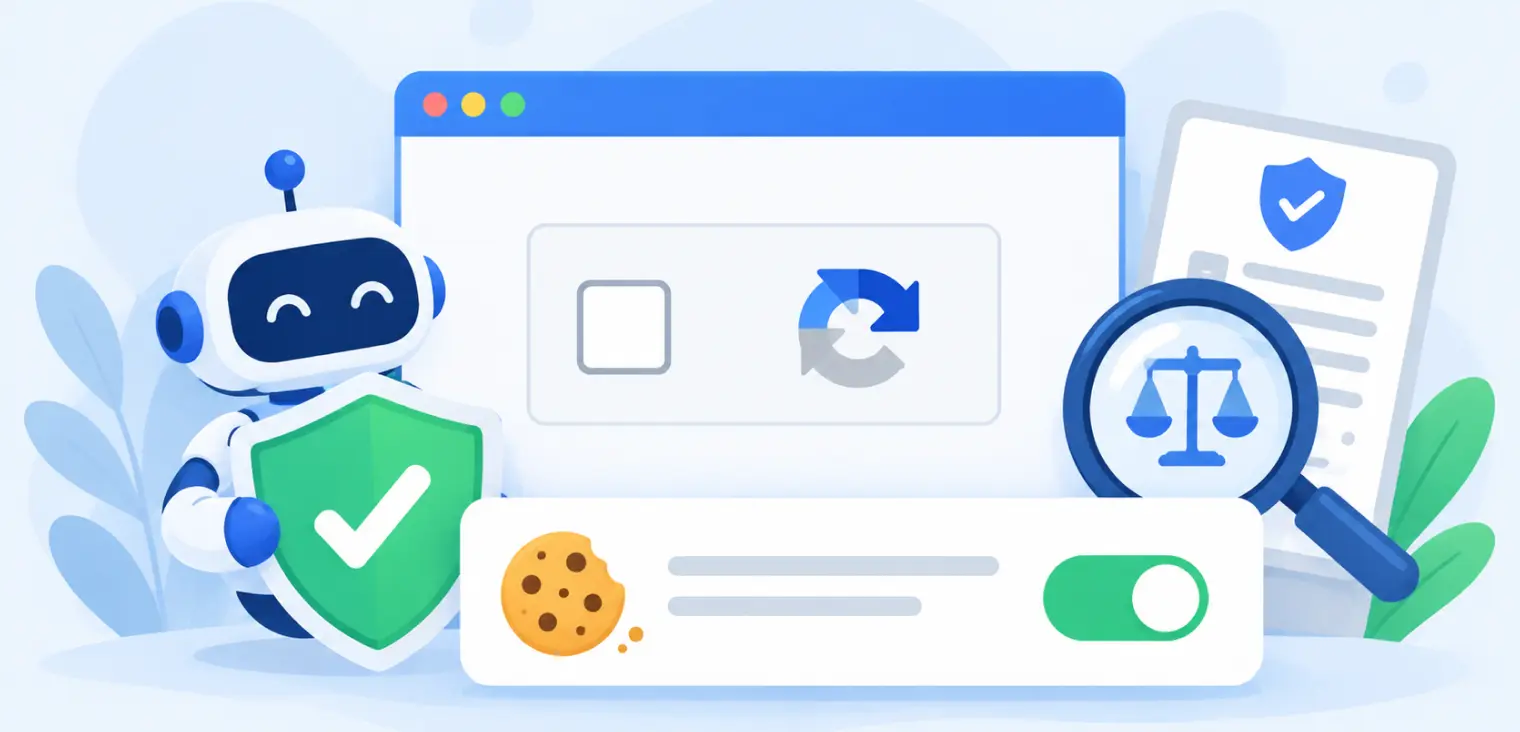
Does reCAPTCHA Require Cookie Consent?
reCAPTCHA can be exempt as necessary security, but not every setup is. Learn how to assess your reCAPTCHA version, audit its cookies and keep forms working when visitors say no.
October 15, 2026
7 min