

What’s More Important, Data Privacy or Data Security? The Answer: Both
August 19, 2025
•

3 min read
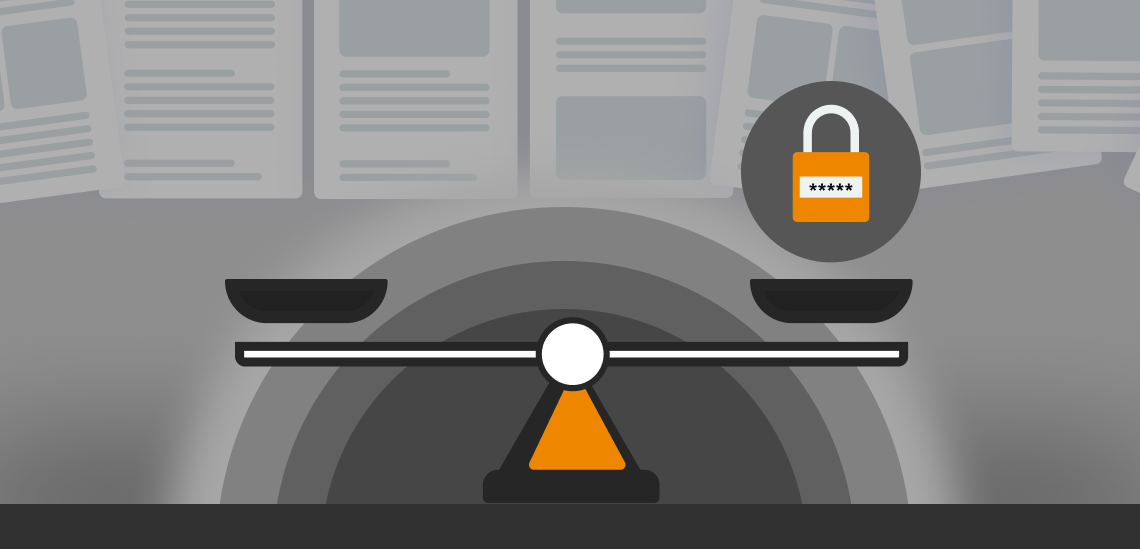
Table of contents
back
to the top
What’s More Important, Data Privacy or Data Security? The Answer: Both
Data privacy and data security are often used interchangeably but they are not the same thing.
If your business collects personal data (even just through a contact form or analytics tool), you need to understand how these two concepts differ. Not just for compliance with regulations like the GDPR, but also for building long-term trust with your users.
In this blog, we’ll break down the difference between data privacy and data security, why both matter, and how they work together to form a solid compliance foundation.
What is Data Privacy?
Data privacy is about how personal data is collected, used, and shared—and whether individuals have control over that data.
It focuses on:
- User consent
- Transparency
- Purpose limitation
- Data subject rights (like access, erasure, or objection)
In short, privacy is about respecting individuals’ rights over their data.
Data privacy under GDPR:
- Organizations must inform users of how their data is used
- Consent must be freely given, specific, informed, and unambiguous
- Users have the right to access, correct, delete, or restrict use of their data
What is Data Security?
Data security refers to the tools and practices used to protect personal data from unauthorized access, alteration, or loss.
It focuses on:
- Encryption
- Access controls
- Authentication protocols
- Data breach prevention and response
Security ensures that personal data stays confidential, intact, and accessible only to authorized parties.
Data security under GDPR:
GDPR Article 32 requires businesses to implement “appropriate technical and organizational measures” to secure data.
This includes things like risk assessments, backup systems, and breach response plans.
Why You Need Both
Privacy and security are not interchangeable but they are interdependent.
You can have strong security but still violate privacy (e.g., tracking users without consent).
Or, you can have excellent privacy policies but poor security that puts data at risk.
To comply with the GDPR and protect user trust, you need both:
- Privacy ensures data is collected and used ethically
- Security ensures that data is protected behind the scenes
How a CMP Supports Data Privacy
A Consent Management Platform (CMP) is essential to getting the privacy side of the equation right. It helps you:
- Capture valid consent before data is collected
- Let users control their cookie and tracking settings
- Log and store consent for regulatory audits
- Handle regional requirements (e.g., GDPR vs other laws)
Pair that with a robust security framework, and your business is on track for compliance and user trust.
Final Takeaway
Data privacy is about who has control over the data.
Data security is about keeping that data safe.
Both are required under GDPR. But more importantly, both are required if you want to build a digital experience that people trust.
Sources
Explore further
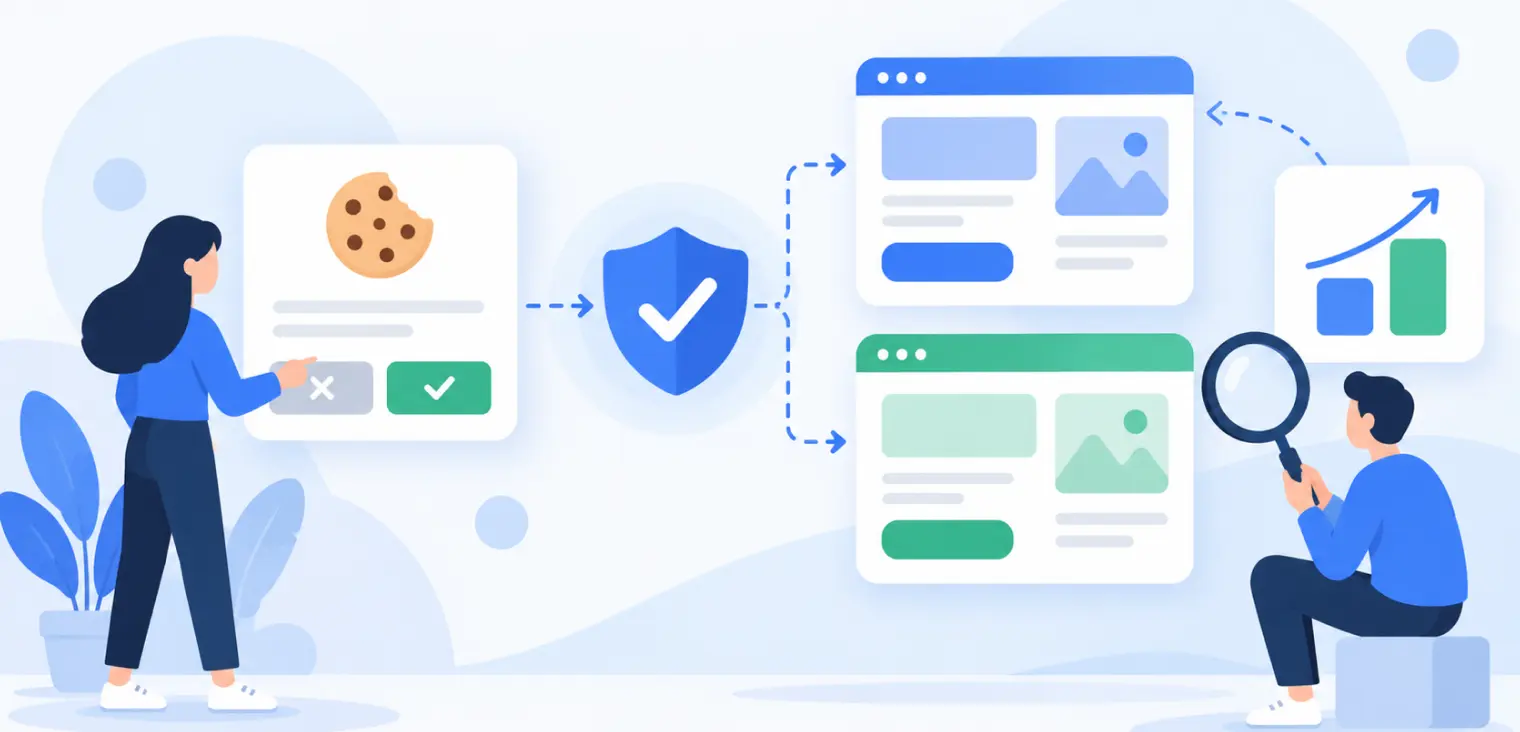
Do A/B Testing Tools Require Cookie Consent?
A/B tests can store IDs, share events and feed ad audiences. Learn when experiments need consent, when a narrow exemption may apply and how to run tests without ignoring privacy.
October 22, 2026
9 min
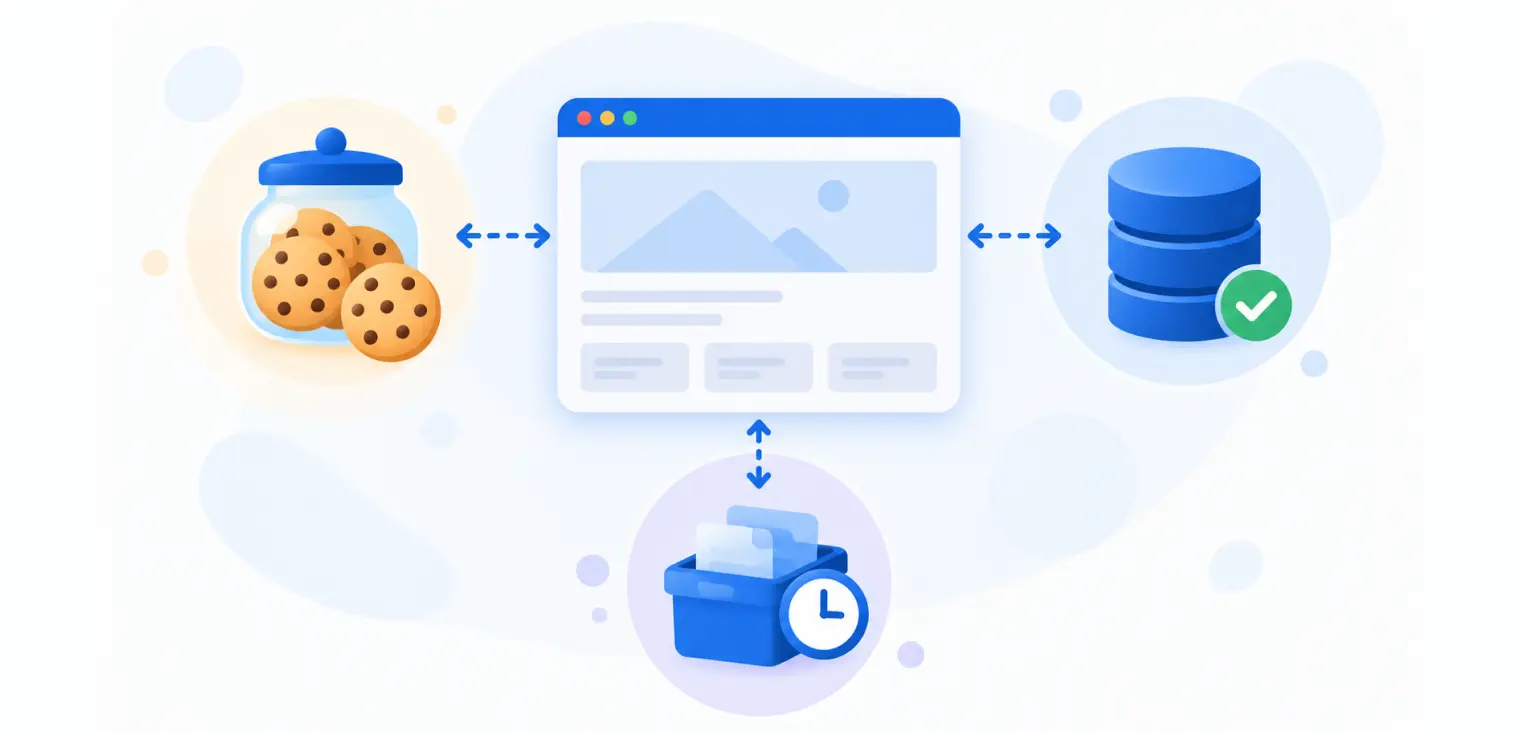
Cookies, Local Storage and Session Storage: What Is the Difference?
Cookies, local storage and session storage behave differently, but none is exempt from consent. Learn how each one works, which to use and how to review them in your consent process.
October 22, 2026
9 min
Does reCAPTCHA Require Cookie Consent?
reCAPTCHA can be exempt as necessary security, but not every setup is. Learn how to assess your reCAPTCHA version, audit its cookies and keep forms working when visitors say no.
October 15, 2026
7 min