

Why Your CMP Needs a Cookie Scanner (Explained Simply)
March 25, 2026
•

2 min read
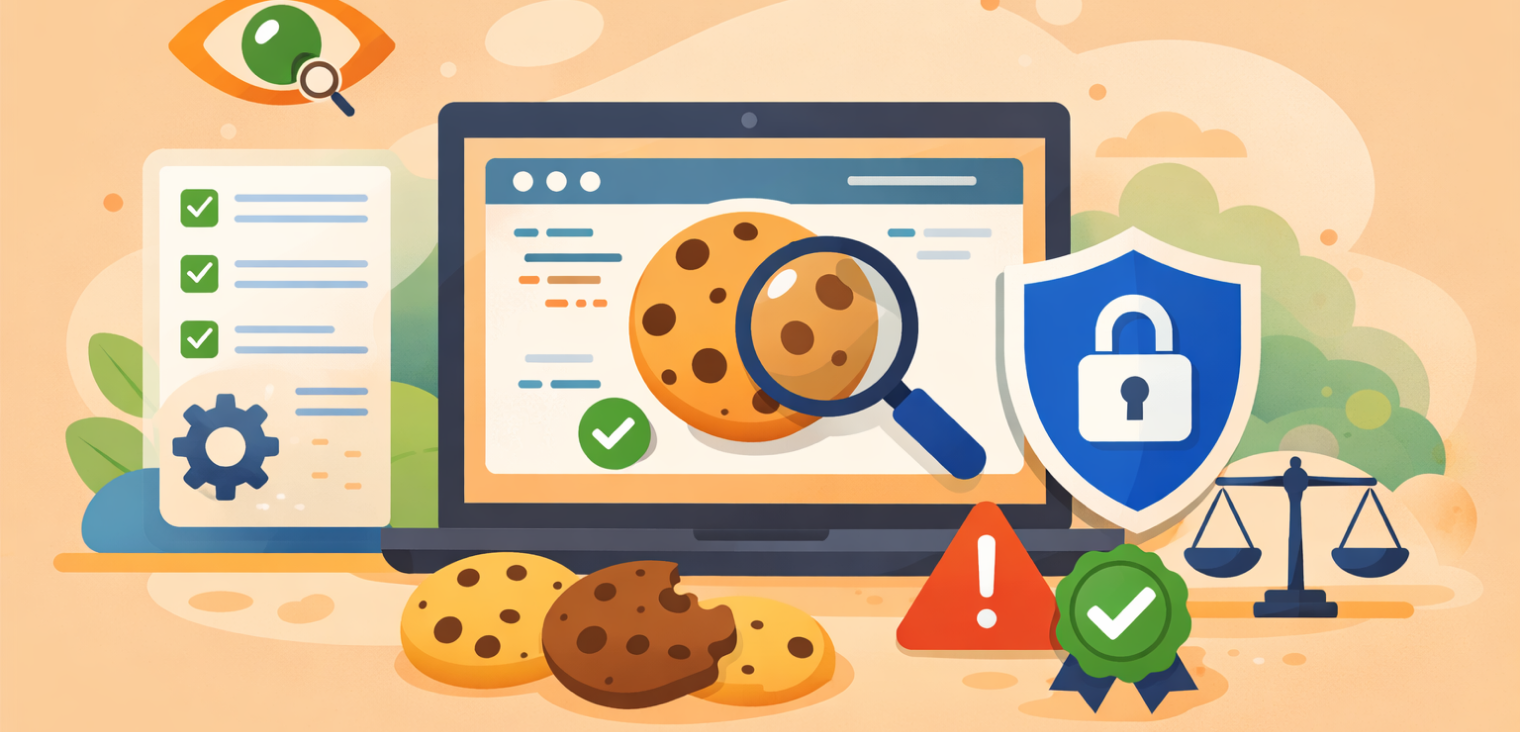
Table of contents
back
to the top
Why Your CMP Needs a Cookie Scanner (Explained Simply)
Cookie banners alone don’t guarantee compliance.
Without knowing what cookies exist, consent means nothing.
1. Websites Change Constantly
New tools add new cookies, often without notice.
2. Manual Lists Become Outdated
Hardcoded cookie lists fail quickly.
3. Cookie Scanners Detect Reality
A scanner identifies:
-
New cookies
-
Third-party trackers
-
Misclassified scripts
4. Regulators Expect Accuracy
Incorrect cookie lists = misleading consent.
5. Cookiepal Scans Automatically
Cookiepal scans regularly to ensure:
-
Accuracy
-
Transparency
-
Ongoing compliance
Final Takeaway
If you don’t know what cookies run, you can’t collect valid consent. Cookiepal’s scanner ensures your banner matches reality.
Sources & References
Explore further
Does reCAPTCHA Require Cookie Consent?
reCAPTCHA can be exempt as necessary security, but not every setup is. Learn how to assess your reCAPTCHA version, audit its cookies and keep forms working when visitors say no.
October 15, 2026
7 min
Do Live Chat Widgets Require Cookie Consent?
Chat widgets like Intercom and Zendesk often track visitors before anyone says hello. Learn which chat cookies need consent, which may be exempt and how to test your setup.
October 15, 2026
7 min

Shopify Customer Events, Pixels and Cookie Consent
Shopify pixels still collect and send customer data, so they still need consent. Learn how app pixels, custom pixels and the Customer Privacy API should work with your CMP.
October 8, 2026
7 min