

Por que “dados anônimos” podem não ser anônimos no GDPR
16 de março de 2026
•

2 min de leitura
Índice
Voltar
Voltar ao topo
Por que “dados anônimos” podem não ser anônimos no GDPR
Introdução
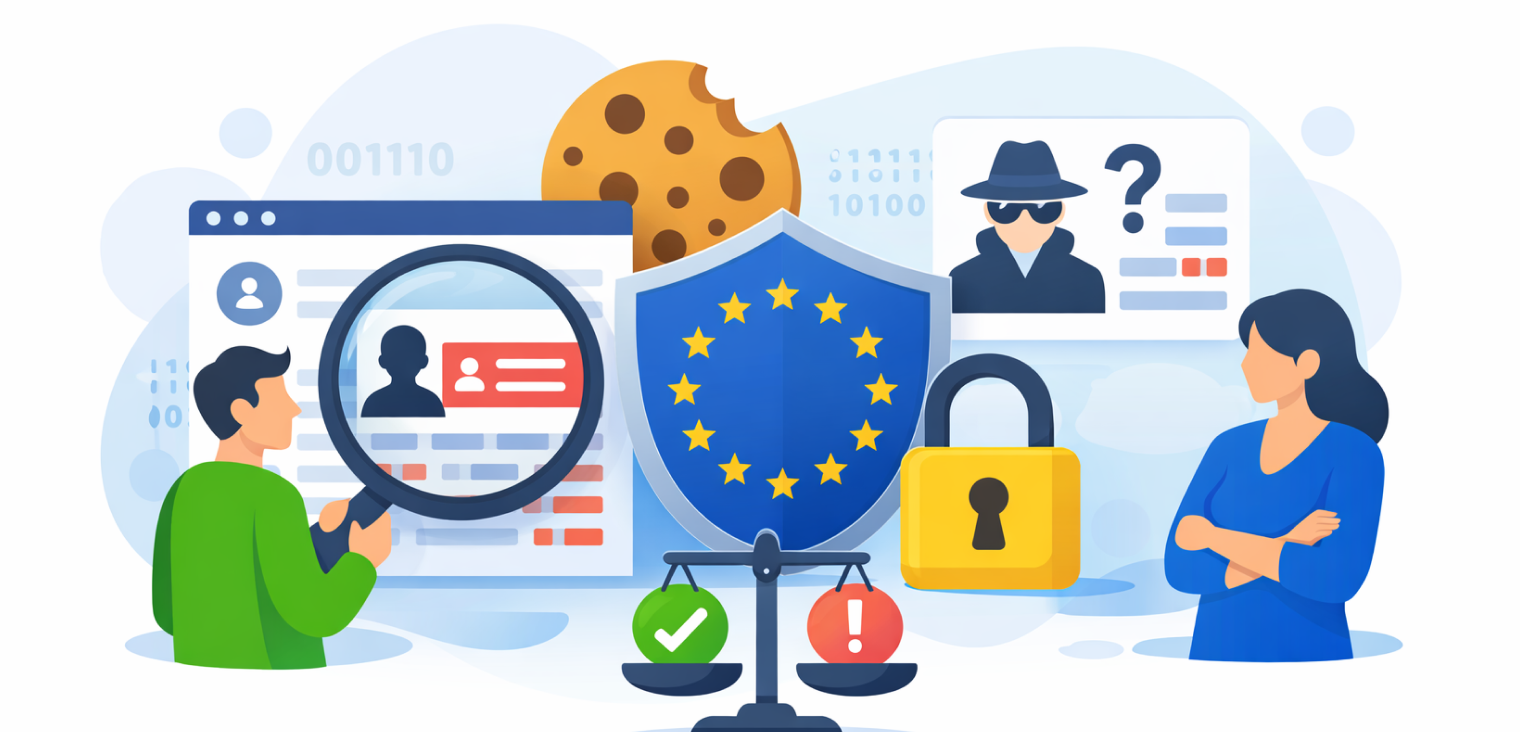
Muitas empresas dependem de dados “anônimos”, mas GDPR tem uma definição estrita.
E a maioria dos dados não é verdadeiramente anônima.
1. Pseudônimo ≠ Anônimo
Os dados não são anônimos se puderem ser:
-
Re-identificado
-
Vinculado
-
Combinado
2. Exemplos comuns que NÃO são anônimos
-
Endereços IP
-
IDs de dispositivos
-
Identificadores analíticos
-
E-mails com hash
3. Risco de reidentificação é importante
Se a reidentificação for razoavelmente possível, O GDPR se aplica.
4. Por que isso afeta o consentimento
Se os dados não forem anônimos:
-
O consentimento pode ser necessário
-
A transparência é obrigatória
-
Os usuários têm direitos
5. CookiePal ajuda a evitar falsas suposições
CookiePal garante:
-
Os cookies estão categorizados corretamente
-
O rastreamento não é erroneamente rotulado como anônimo
-
A transparência permanece precisa
Conclusão final
Se os dados puderem apontar para uma pessoa - O GDPR se aplica. CookiePal ajuda as empresas a evitar suposições perigosas sobre o anonimato.
Fontes e Referências
Explorar mais

Ferramentas de teste A/B exigem consentimento de cookies?
Testes A/B podem armazenar IDs, compartilhar eventos e alimentar públicos de anúncios. Veja quando os experimentos exigem consentimento e quando uma exceção restrita pode se aplicar.
22 de outubro de 2026
9 min
Cookies, local storage e session storage: qual é a diferença?
Cookies, local storage e session storage funcionam de formas diferentes, mas nenhum é isento de consentimento. Veja como cada um funciona, qual usar e como revisá-los.
22 de outubro de 2026
9 min

O reCAPTCHA exige consentimento de cookies?
O reCAPTCHA pode ser isento como segurança necessária, mas nem toda configuração é. Veja como avaliar a sua versão, auditar os cookies e manter os formulários funcionando.
15 de outubro de 2026
7 min