

Como GDPR se aplica a formulários de contato, pop-ups e ímãs de leads
25 de fevereiro de 2026
•

2 min de leitura

Índice
Voltar
Voltar ao topo
Como GDPR se aplica a formulários de contato, pop-ups e ímãs de leads
Os cookies não são os únicos itens cobertos por GDPR. Formulários de contato, pop-ups e lead magnets também coletam dados pessoais – o que significa que eles devem seguir as regras GDPR, mesmo que nenhum cookie seja usado.
Veja como manter a conformidade desses elementos diários do site.
1. Formulários de contato coletam dados pessoais por padrão
Formulários que solicitam:
-
Nome
-
E-mail
-
Número de telefone
-
Empresa
-
Localização
estão coletando dados pessoais sob o GDPR. Isso exige uma base legal e total transparência sobre como os dados serão utilizados.
Se os dados forem usados para marketing, será necessário consentimento explícito.
**2. Os pop-ups devem indicar claramente sua finalidade **
Oferta de pop-ups:
-
Inscrições em boletins informativos
-
Descontos
-
Atualizações
-
Downloads gratuitos
deve explicar por que os dados estão sendo coletados.
✔ Exemplo claro: “Inscreva-se para receber nosso boletim informativo semanal.”
✘ Não está claro: “Inscreva-se agora!”
**3. Lead Magnets exigem acompanhamento transparente **
Se os usuários fornecerem seu email para download:
-
E-books
-
Listas de verificação
-
Modelos
-
Guias
você deve informar se eles também receberão emails de marketing. GDPR proíbe inscrição automática ou oculta em boletins informativos.
4. O consentimento de marketing deve ser separado
Para emails de marketing, você deve usar:
-
Uma item de checklist independente
-
Sem caixas pré-marcadas
-
Explicação clara de uso (“Concordo em receber emails de marketing…”)
O envio do formulário por si só não é consentimento.
5. CookiePal ajuda a alinhar todas as interações do usuário
CookiePal suporta coleta de dados compatível com o GDPR por meio de:
-
Registro de consentimento para formulários e marketing
-
Armazenando informações de versionamento
-
Fornecendo ferramentas fáceis de exclusão
-
Manter a transparência em todos os pontos de contato do usuário
Isso garante consistência em formulários de contato, pop-ups e iscas digitais.
Conclusão final
De acordo com o GDPR, qualquer recurso que colete informações pessoais – de formulários a iscas digitais – deve ser transparente, específico e orientado pelo consentimento adequado. Com a configuração certa e um CMP com a CookiePal, você pode aumentar seu público e ao mesmo tempo permanecer totalmente em conformidade.
Fontes e Referências
Explorar mais

Ferramentas de teste A/B exigem consentimento de cookies?
Testes A/B podem armazenar IDs, compartilhar eventos e alimentar públicos de anúncios. Veja quando os experimentos exigem consentimento e quando uma exceção restrita pode se aplicar.
22 de outubro de 2026
9 min
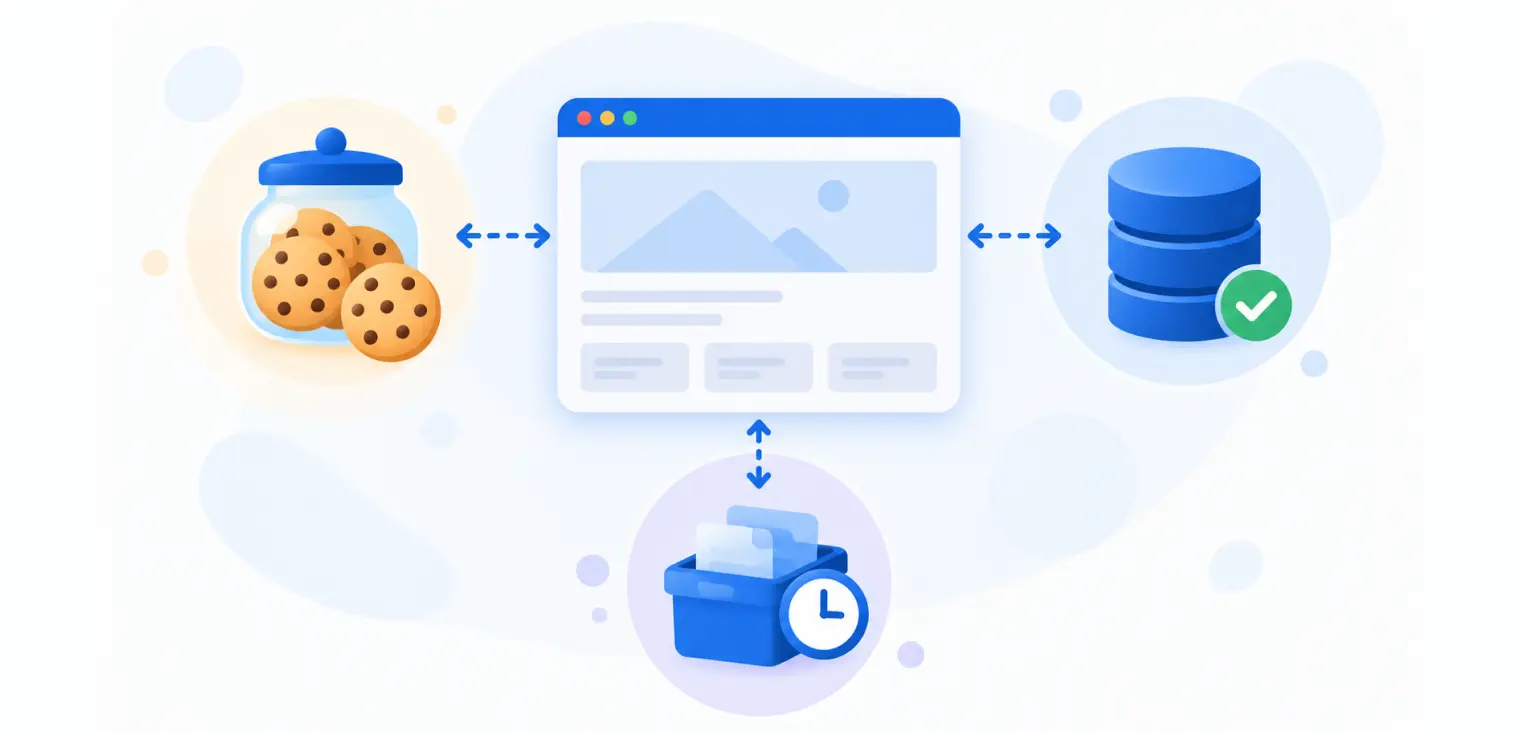
Cookies, local storage e session storage: qual é a diferença?
Cookies, local storage e session storage funcionam de formas diferentes, mas nenhum é isento de consentimento. Veja como cada um funciona, qual usar e como revisá-los.
22 de outubro de 2026
9 min
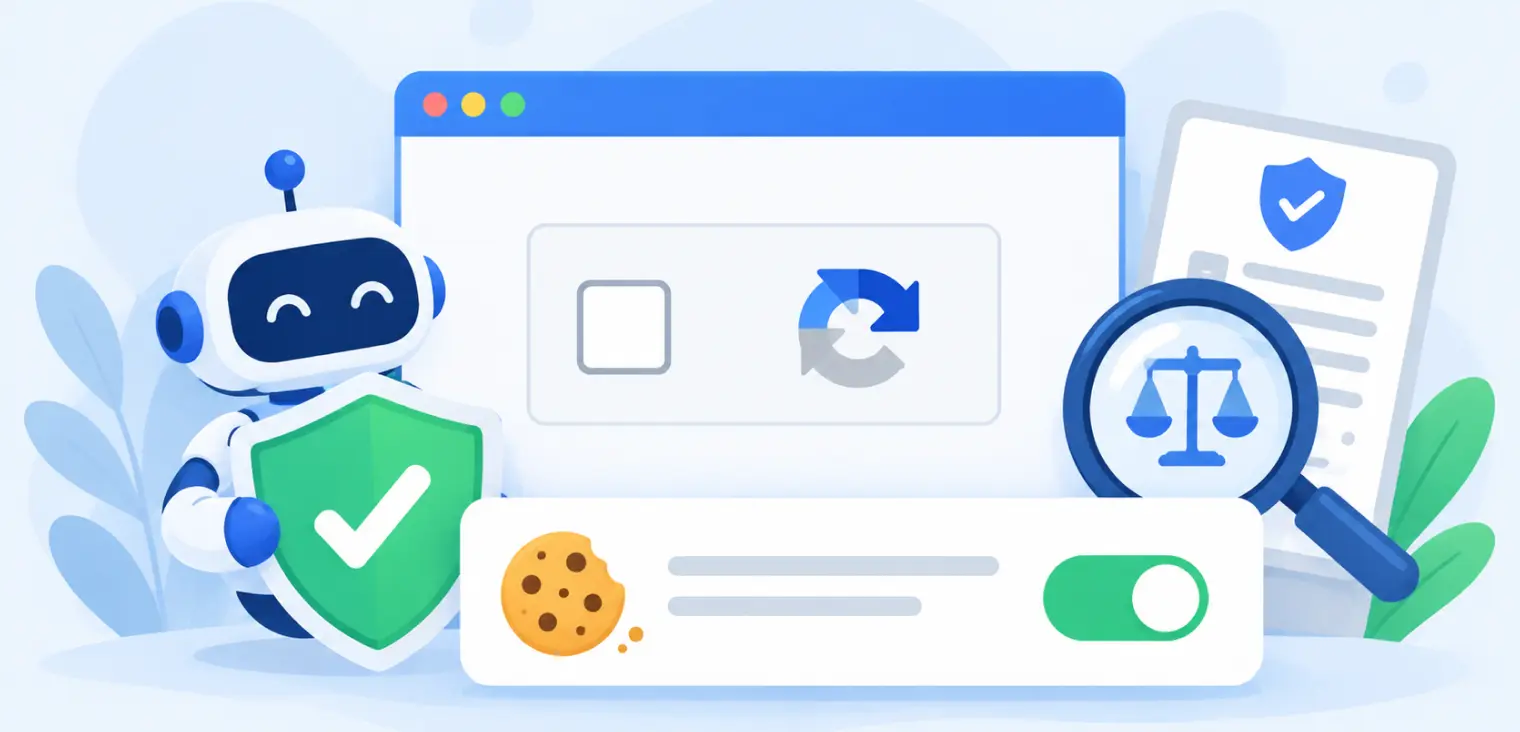
O reCAPTCHA exige consentimento de cookies?
O reCAPTCHA pode ser isento como segurança necessária, mas nem toda configuração é. Veja como avaliar a sua versão, auditar os cookies e manter os formulários funcionando.
15 de outubro de 2026
7 min