

¿Qué sucede si su CMP se rompe después de una actualización del sitio web?
22 de abril de 2026
•

2 min de lectura
Índice
Volver
Volver arriba
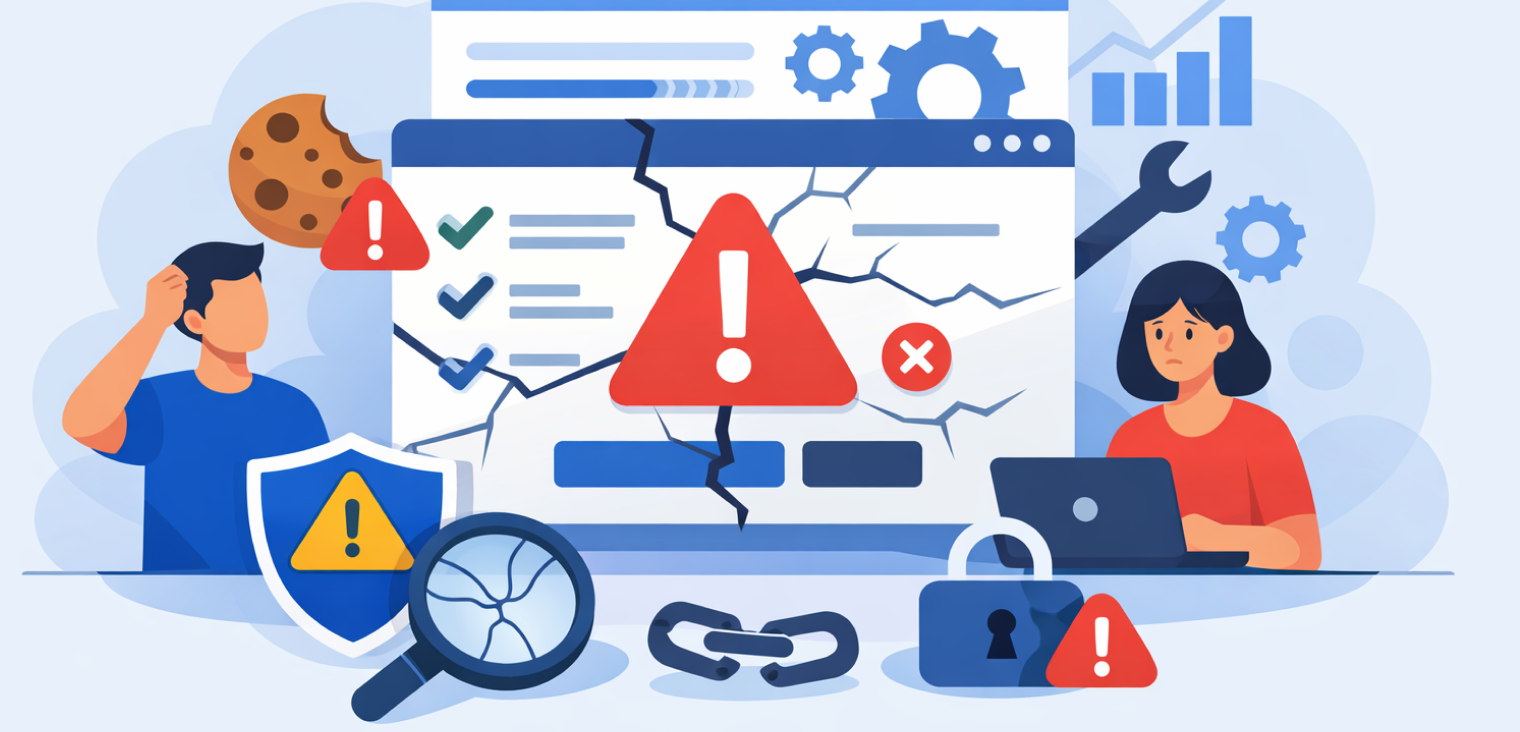
¿Qué sucede si tu CMP se rompe después de una actualización del sitio web?
Las actualizaciones del sitio web suelen introducir nuevos scripts, complementos o diseños.
Pero si su CMP se rompe durante una actualización, el cumplimiento de GDPR se rompe con él.
He aquí por qué esto es importante y cómo prevenirlo.
1. Las actualizaciones del sitio web suelen fallar CMPs
Causas comunes:
- Nuevas etiquetas agregadas sin lógica de consentimiento
- Actualizaciones del administrador de etiquetas
- Cambios de tema o complemento
- Scripts codificados sin pasar por los controles CMP
2. Roto CMP = Consentimiento no válido
Si el seguimiento se dispara antes del consentimiento:
- El consentimiento no es válido
- GDPR es violado
- Los registros se vuelven poco confiables
La intención no importa, el comportamiento sí.
3. Los reguladores esperan un cumplimiento continuo
El cumplimiento es continuo.
"No lo sabía" no es una defensa.
4. Las pruebas periódicas son obligatorias
Debería:
- Pruebe el consentimiento después de cada actualización
- Buscar nuevas cookies
- Verificar el comportamiento de bloqueo
5. CookiePal Protege contra fallos silenciosos
CookiePal ayuda con:
- Detectando nuevas cookies
- Bloquear el seguimiento no autorizado
- Alertar a los equipos sobre los riesgos de cumplimiento
- Mantener registros de consentimiento válidos
Conclusión final
Un CMP roto crea silenciosamente violaciones de GDPR. CookiePal garantiza que su sistema de consentimiento permanezca intacto, incluso después de las actualizaciones del sitio web.
Fuentes y referencias
Explorar más

¿Las herramientas de pruebas A/B requieren consentimiento de cookies?
Las pruebas A/B pueden guardar IDs, compartir eventos y alimentar audiencias publicitarias. Descubre cuándo requieren consentimiento y cuándo puede aplicarse una exención limitada.
22 de octubre de 2026
9 min
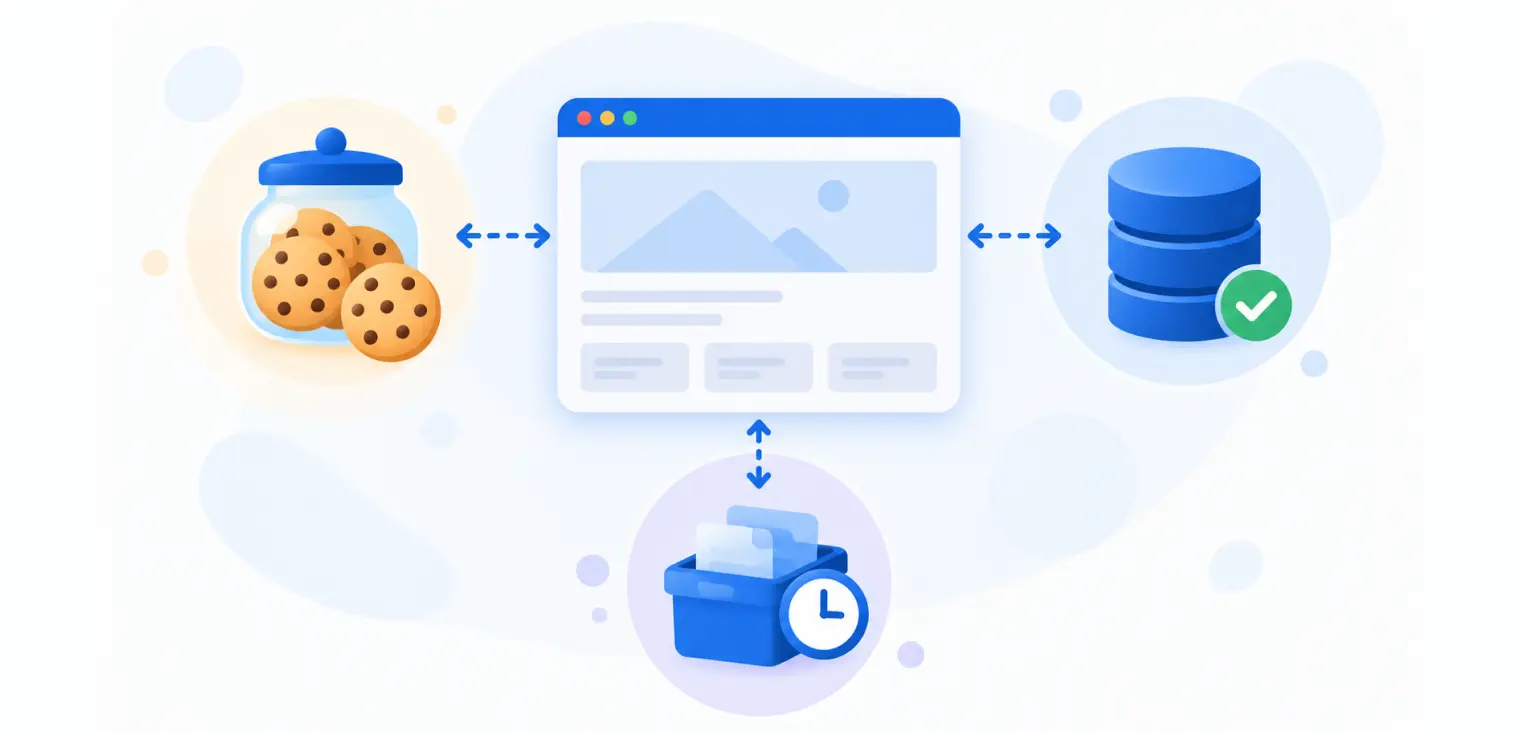
Cookies, local storage y session storage: ¿cuál es la diferencia?
Las cookies, el local storage y el session storage funcionan de forma distinta, pero ninguno está exento de consentimiento. Descubre cómo funciona cada uno y cómo revisarlos.
22 de octubre de 2026
9 min
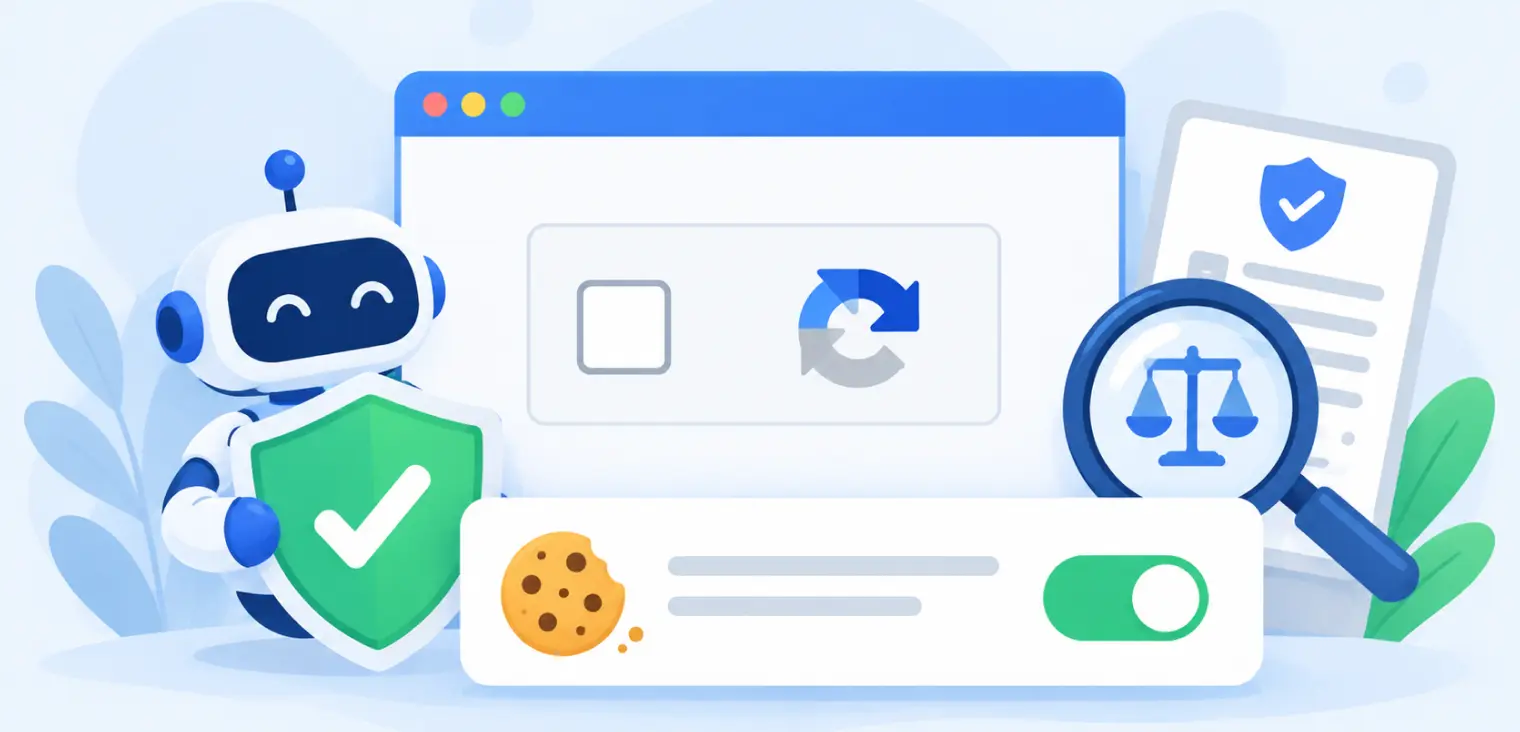
¿El reCAPTCHA requiere consentimiento de cookies?
El reCAPTCHA puede estar exento como seguridad necesaria, pero no toda configuración lo está. Descubre cómo evaluar tu versión, auditar sus cookies y mantener tus formularios activos.
15 de octubre de 2026
7 min