

¿Importan los nombres de las cookies en una auditoría de GDPR?
12 de junio de 2026
•

4 min de lectura
Índice
Volver
Volver arriba
¿Importan los nombres de las cookies en una auditoría de GDPR?
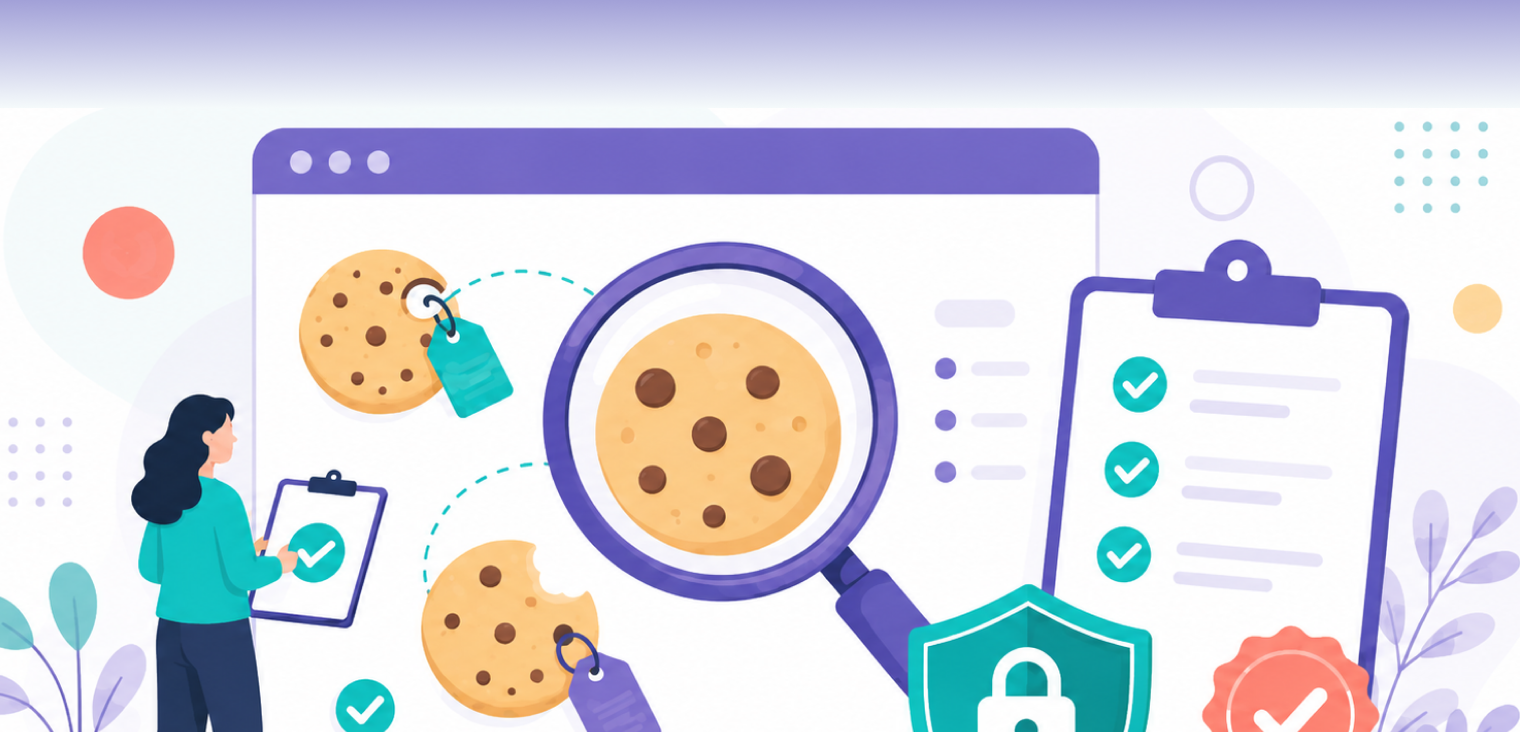
A primera vista, los nombres de las cookies pueden parecer un detalle técnico que solo interesa a los desarrolladores. Pero en una auditoría de GDPR importan más de lo que muchos propietarios de sitios web creen.
Los reguladores no solo revisan si tienes consentimiento. También verifican si tus divulgaciones reflejan con precisión lo que tu sitio realmente hace. Los nombres de las cookies suelen ser la primera pista que utilizan los auditores para comprobarlo.
Aquí se explica por qué los nombres de las cookies importan, dónde suelen fallar las empresas y cómo mantenerse en cumplimiento.
1. Los nombres de las cookies revelan el comportamiento real de seguimiento
Durante una auditoría, los reguladores suelen inspeccionar las cookies que aparecen en el navegador del usuario y las comparan con:
- Las categorías de tu banner de cookies
- Tu política de cookies
- Tus registros de consentimiento
Nombres de cookies como _ga, _fbp, IDE o _gcl_au indican de inmediato actividad de analítica o publicidad.
Si esas cookies aparecen:
- Antes del consentimiento
- Bajo la categoría equivocada
- Sin haber sido divulgadas
...eso es una señal de alerta.
2. Las etiquetas engañosas de cookies son una infracción común
Muchos sitios web listan cookies con etiquetas vagas o engañosas, como:
- "Cookie funcional"
- "Herramienta de rendimiento"
- "Optimización del sitio web"
Pero si el nombre de la cookie corresponde a publicidad o seguimiento entre sitios, los reguladores lo tratan como una divulgación inexacta.
Ejemplo:
- Etiqueta: Analítica
- Nombre de la cookie:
_fbp(cookie publicitaria de Meta)
Este desajuste puede invalidar el consentimiento porque el usuario no fue informado correctamente.
3. Los auditores no confían en descripciones. Confían en evidencia
En una auditoría de GDPR, los reguladores no se basan en cómo describes las cookies. Verifican:
- Nombres de las cookies
- Dominios de las cookies
- Duración
- Proveedores asociados
Si tu política dice "no usamos cookies publicitarias" pero se encuentran nombres de cookies vinculados a publicidad, el consentimiento obtenido se considera engañoso.
Bajo el GDPR, el consentimiento debe ser informado y específico. Una nomenclatura inexacta de cookies rompe ambos requisitos.
4. Las listas automáticas de cookies pueden quedar desactualizadas
Los nombres de las cookies cambian con más frecuencia de lo que la mayoría de los equipos espera debido a:
- Actualizaciones de plugins
- Actualizaciones de herramientas de marketing
- Nuevas etiquetas añadidas a través de Google Tag Manager
- Cambios en scripts de terceros
Si tu lista de cookies no se actualiza con regularidad, puedes estar divulgando cookies que ya no existen o dejando fuera cookies nuevas.
Esto genera brechas de cumplimiento incluso si tu banner parece correcto.
5. Por qué una nomenclatura precisa te protege en auditorías
Nombrar las cookies con claridad y precisión te ayuda a:
- Demostrar transparencia
- Mostrar responsabilidad
- Alinear consentimiento, comportamiento y documentación
- Reducir el riesgo de sanción
Los registros de consentimiento por sí solos no bastan. Los reguladores esperan que la realidad técnica coincida con lo que se comunicó a los usuarios.
6. Cómo una CMP ayuda a mantener la precisión de los nombres de cookies
Una plataforma de gestión de consentimiento como CookiePal ayuda a:
- Escanear tu sitio en busca de cookies activas
- Identificar automáticamente nombres de cookies y proveedores
- Asignar cookies a las categorías correctas
- Detectar cookies nuevas o modificadas
- Mantener tu política de cookies alineada con el comportamiento real
Esto reduce el error humano y mantiene tus divulgaciones precisas con el paso del tiempo.
Conclusión
Los nombres de las cookies no son solo identificadores técnicos. Son señales de cumplimiento. En una auditoría de GDPR, los nombres inexactos o engañosos pueden debilitar el consentimiento, incluso si existe un banner.
Mantener una nomenclatura, categorización y divulgación precisas es esencial para demostrar un cumplimiento real del GDPR, y no solo un consentimiento superficial.
Fuentes
Explorar más

Customer events de Shopify, píxeles y consentimiento de cookies
Los píxeles de Shopify siguen enviando datos de clientes y necesitan consentimiento. Descubre cómo deben funcionar los app pixels, los píxeles personalizados y la Customer Privacy API con tu CMP.
8 de octubre de 2026
7 min
Consentimiento de cookies en WordPress: ¿qué plugins y scripts hay que bloquear?
Un banner en WordPress no basta si los plugins cargan rastreadores antes del consentimiento. Descubre qué scripts de analítica, anuncios, chat y embeds bloquear y cómo auditar tu sitio web.
8 de octubre de 2026
7 min
Klaviyo, Shopify y consentimiento: lo que las tiendas de e-commerce deben revisar
Shopify y Klaviyo pueden hacer seguimiento y contactar a clientes sin su permiso. Descubre cómo alinear el consentimiento de cookies, email y SMS en el checkout, formularios, flujos y sincronización.
1 de octubre de 2026
7 min